How to Cook Snapper Fish
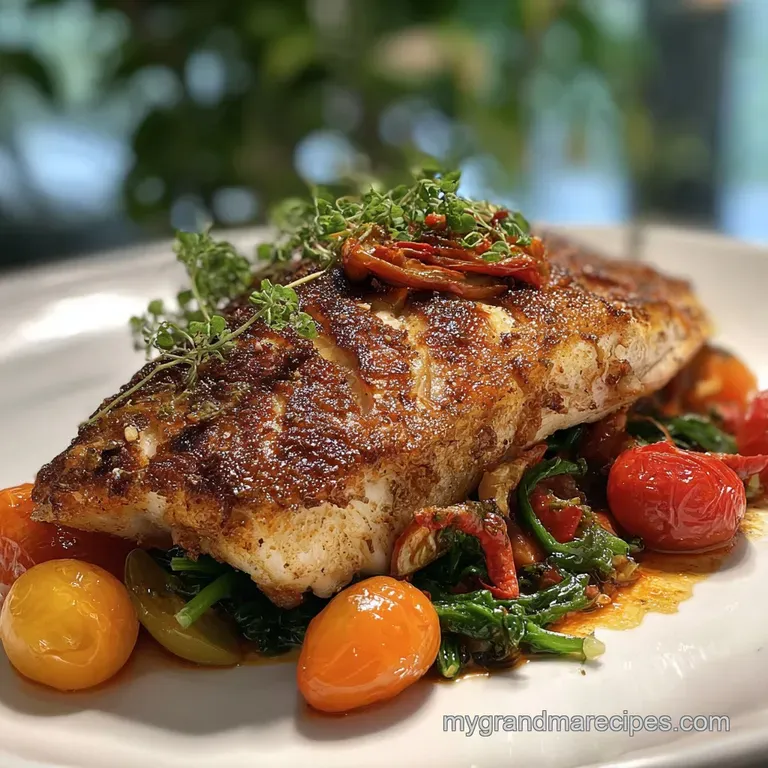
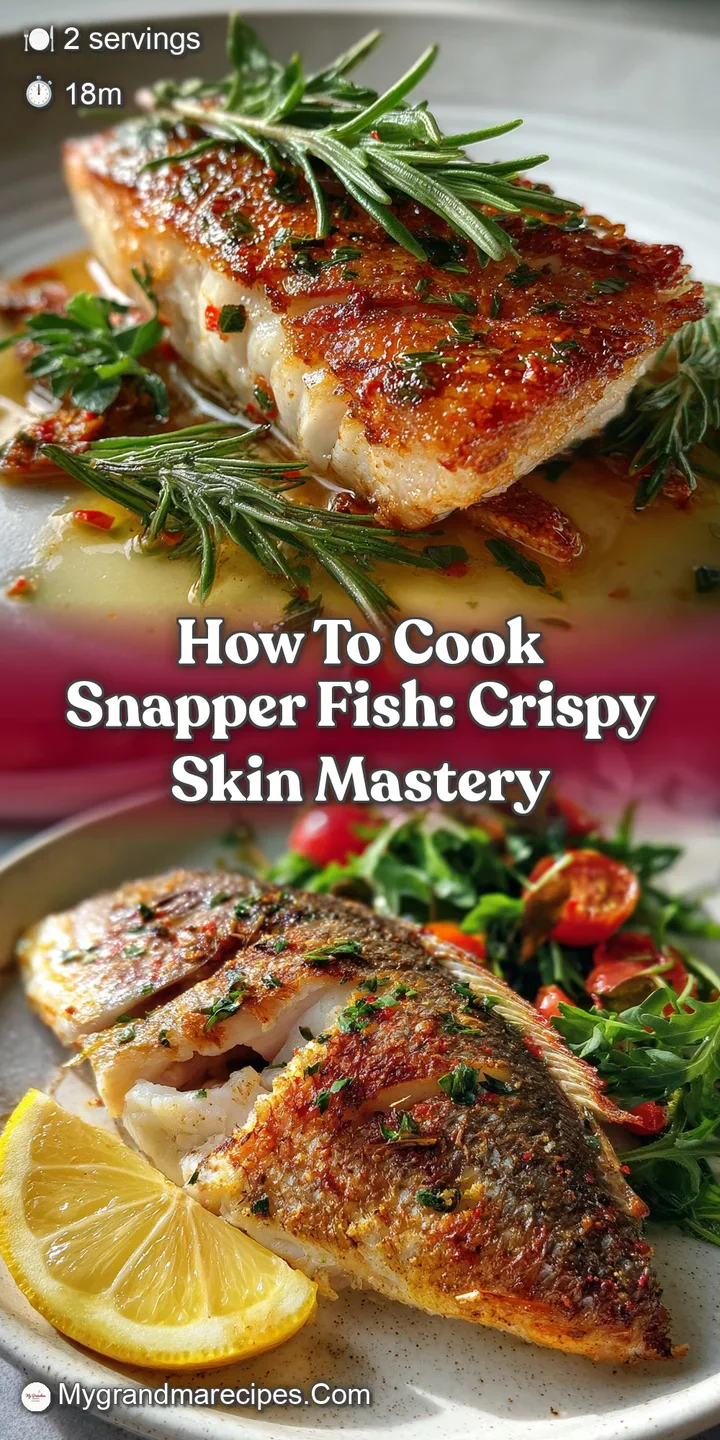
- Time: Active 10 minutes, Passive 8 minutes, Total 18 minutes
- Flavor/Texture Hook: Shattering crispy skin with a buttery, garlic infused finish
- Perfect for: Quick weeknight luxury or a reliable dinner for two
- Essential Tips for Learning How to Cook Snapper Fish Perfectly
- Understanding the Technical Specs for Your Fish Dinner
- The Science of Why it Works
- Deep Dive into the Essential Fish Components
- Ingredients and Smart Substitutes for Your Meal
- Minimal Equipment for Maximum Flavor Results
- From Prep to Plate: Step by Step
- Correcting Common Mistakes and Troubleshooting Issues
- Scaling the Recipe for Any Crowd
- Traditional Myths About Cooking Fish
- Keeping It Fresh and Reducing Waste
- Perfect Pairing Ideas for Snapper
- Recipe FAQs
- 📝 Recipe Card
Essential Tips for Learning How to Cook Snapper Fish Perfectly
Have you ever stood over a pan, spatula in hand, just praying the fish skin doesn't decide to become one with the metal? It's that moment of suspense, right before the first flip, that defines the home cook's journey.
I remember my first attempt at red snapper, I didn't get the pan nearly hot enough and ended up with a sad, gray mess that looked more like a science project than dinner. My grandma just laughed, handed me a cast iron skillet, and told me to wait for the oil to shimmer.
There is something deeply satisfying about the sound of a cold piece of fish hitting a hot, oiled surface. That immediate sizzle is the promise of a meal that respects the ingredient. Snapper is one of those fish that doesn't need a heavy mask of sauces or breading.
It’s light, slightly sweet, and firm enough to hold its own in a busy kitchen.
We are going to skip the complicated gadgets today. You don't need a sous vide machine or a fancy grill to make this work. All we need is a heavy bottomed pan and a little bit of patience.
By the time we’re done, you’ll have a technique that feels as natural as breathing, and a dinner that tastes like it came from a professional kitchen in Tennessee.
Understanding the Technical Specs for Your Fish Dinner
When we talk about the specifics of this recipe, we are looking at a lean, high protein meal that fits perfectly into a balanced lifestyle. The red snapper provides a clean canvas, while the avocado oil and unsalted butter bring in the necessary fats to carry the flavor of the herbs and garlic.
Because we use a over high heat oil, we can achieve that sought after texture without the oil smoking out your entire house.
The timing here is tight. Totaling only 18 minutes from the moment you take the fish out of the fridge to the moment it hits the plate, it’s a masterclass in efficiency. You aren't spending hours hovering over a stove; instead, you're focusing on a few critical minutes of high intensity cooking.
This recipe yields exactly two servings, making it an ideal choice for a quiet evening or a focused meal for yourself with a leftover portion for a salad the next day.
Everything here is measured in metric to ensure we stay precise. Using exactly 170g fillets ensures that the cooking times remain consistent. If your fillets are larger or smaller, the internal temperature is your only true guide.
We are aiming for a result that is flaky but still retains its natural juices, which is the hallmark of a cook who knows their craft.
The Science of Why it Works
Maillard Reaction: High heat triggers a chemical reaction between amino acids and reducing sugars, creating the brown, savory crust on the skin. Protein Denaturation: The heat causes the tightly wound fish proteins to uncoil and then recoagulate, turning the flesh from translucent to opaque and flaky.
Deep Dive into the Essential Fish Components
| Ingredient | Science Role | Pro Secret |
|---|---|---|
| Red Snapper | Structural Protein | Keep skin bone dry to avoid unwanted steaming |
| Avocado Oil | High Smoke Point | Resists breaking down at the intense searing temperatures |
| Unsalted Butter | Flavor Carrier | Add only at the end to prevent milk solids from scorching |
Choosing the right ingredients is half the battle when you want to learn how to cook snapper fish. The fish itself should have a metallic sheen and smell like the ocean, never "fishy." If the skin feels slimy, that's moisture we need to remove before it even touches the pan.
The choice of avocado oil isn't just a health trend; it’s a functional necessity for over high heat cooking. Traditional olive oil can break down and turn bitter at the temperatures needed for a proper sear. By using a high smoke point fat, you maintain the integrity of the fish's delicate flavor profile.
Ingredients and Smart Substitutes for Your Meal
- 2 Red Snapper fillets (170g each): Look for skin on fillets as the skin provides a protective barrier and a wonderful texture. Why this? Skin on fillets prevent the delicate meat from drying out during the sear.
- Substitute: Sea Bass or Orata work well, though the skin thickness varies.
- 1 tbsp Kosher salt: The coarse grains make it easier to distribute evenly across the surface. Why this? It draws out surface moisture more effectively than fine table salt.
- Substitute: Sea salt flakes, though use slightly less by volume.
- 1 tsp White pepper: Provides a sharp, earthy heat without the black specks of traditional pepper. Why this? It blends into the flesh and offers a more sophisticated floral note.
- Substitute: Freshly cracked black pepper for a bolder, more rustic flavor.
- 2 tbsp Avocado oil: This is our primary cooking fat for the over high heat phase. Why this? It stays stable up to 270°C, ensuring a clean sear.
- Substitute: Grapeseed oil or refined sunflower oil.
- 2 tbsp Unsalted butter: Adds richness and helps with the final basting process. Why this? Controls the salt levels while providing a velvety mouthfeel.
- Substitute: Ghee (clarified butter) for an even higher smoke point.
- 3 cloves Garlic, smashed: These perfume the butter without burning as quickly as minced garlic. Why this? Smashed cloves release oils slowly during the final minute of cooking.
- Substitute: A shallot, halved, for a sweeter, more onion like aroma.
- 2 sprigs Fresh thyme: Adds a woody, citrusy depth to the finishing butter. Why this? Thyme stands up well to the heat of the basting butter.
- Substitute: Fresh rosemary or oregano, though use rosemary sparingly.
- 0.5 Lemon, juiced: The acidity cuts through the fat and brightens the entire dish. Why this? Fresh juice provides a bright finish that bottled juice lacks.
- Substitute: A teaspoon of white wine vinegar or lime juice.
Since this recipe is so fast, I usually like to have my side dishes ready to go before the fish even hits the pan. A fresh, crunchy side is a classic choice. This fish pairs exceptionally well with my Coleslaw Recipe That holds its crunch, providing a cool contrast to the hot, seared snapper.
Minimal Equipment for Maximum Flavor Results
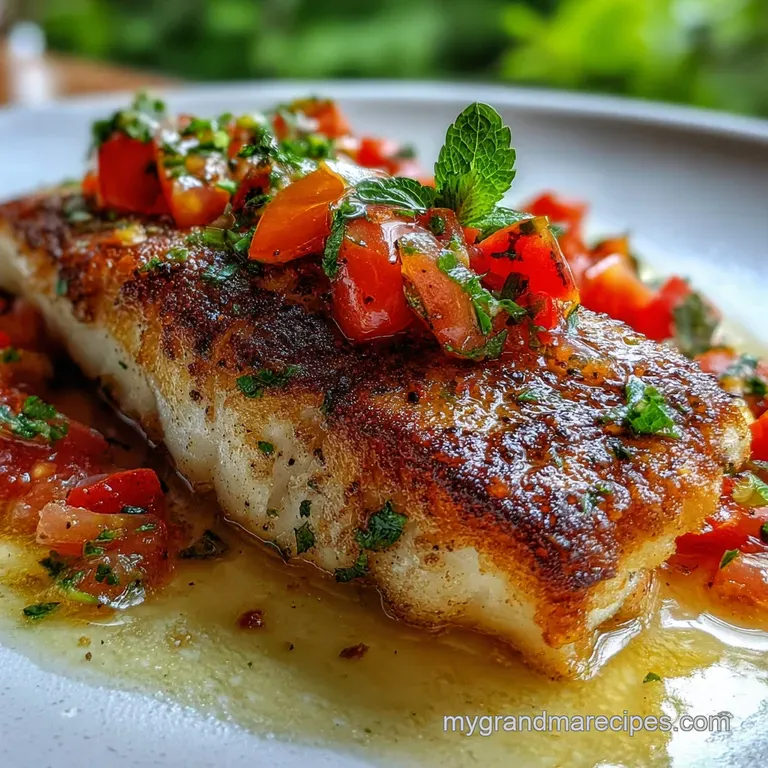
You don't need a kitchen full of gadgets to succeed here. In fact, fewer tools often mean better focus. A heavy bottomed skillet is your most important ally. Cast iron is the traditional choice in my family, but a high-quality stainless steel pan works just as well if you know how to manage the heat.
The only other things you'll need are a flexible fish spatula and some paper towels. The spatula allows you to get under the delicate skin without tearing it, while the paper towels are the secret to that crispy exterior. If the fish is wet, it will steam, not sear.
It’s a simple rule, but one that many people overlook in their hurry to get dinner on the table.
Chef's Tip: Freeze your butter for about 10 minutes before adding it to the pan. This delay in melting allows the garlic and thyme to infuse the fat more deeply before the milk solids begin to brown.
From Prep to Plate: step-by-step
Prepping the Fillets for Success
- Remove the snapper fillets from the refrigerator 15 minutes before cooking. Note: Tempering the fish ensures it cooks evenly from edge to center.
- Pat the skin side of the fish exceptionally dry using paper towels. Keep drying until the towel comes away bone dry.
- Use a sharp knife to make three shallow, diagonal scores across the skin. Note: This prevents the fish from curling up when it hits the hot oil.
- Season both sides generously with 1 tbsp kosher salt and 1 tsp white pepper.
Executing the Perfect Sear
- Place your skillet over medium high heat and add 2 tbsp avocado oil. Wait until the oil shimmers and a tiny wisp of smoke appears.
- Lay the fillets in the pan, skin side down, laying them away from you to avoid oil splatters.
- Immediately press down on each fillet with a spatula for 30 seconds. This ensures the entire skin surface makes contact with the heat.
- Cook undisturbed for 4 minutes until the skin is golden brown and releases easily from the pan.
Finishing with the Baste
- Carefully flip the fillets over to the flesh side.
- Add 2 tbsp unsalted butter, 3 smashed garlic cloves, and 2 sprigs of thyme to the empty space in the pan.
- Tilt the pan slightly and use a spoon to continuously pour the foaming butter over the fish for 2 minutes. The fish should look opaque and feel firm to a light touch.
- Remove from the heat, squeeze 0.5 lemon over the fillets, and let them rest for 2 minutes before serving.
| Method | Texture Result | Best For |
|---|---|---|
| Stovetop | Shattering, crispy skin | Thin to medium fillets (under 170g) |
| Oven | Velvety, uniform tenderness | Thick cut loin portions or whole fish |
When you're basting the fish, you're essentially deep frying the exterior in flavored fat while the interior gently finishes cooking. This "Arrosé" technique is what gives the snapper that velvety texture. If you find yourself craving something sweet after such a light, savory meal, you might want to try an Edible Cookie Dough recipe for a quick, single serve treat that doesn't require turning the oven back on.
Correcting Common Mistakes and Troubleshooting Issues
Avoiding the "Curling" Fillet
One of the most frustrating things is watching a beautiful fillet turn into a "C" shape the second it hits the oil. This happens because the skin shrinks faster than the flesh. Scoring the skin is your first line of defense, but the physical act of pressing down with your spatula during those first 30 seconds is what truly locks in the flat shape.
Preventing Sticky Skin
If you try to flip the fish and it feels like it's glued to the pan, stop. The fish will naturally release itself once the proteins have properly caramelized. If you force it, you’ll leave the best part the crispy skin stuck to the bottom of the skillet.
Patience is a functional ingredient in this recipe.
| Problem | Root Cause | Solution |
|---|---|---|
| Fish is tough | Overcooked / No resting | Pull fish at 52°C and rest for 2 minutes |
| Skin is soggy | Too much moisture / Low heat | Pat skin bone dry and use shimmering oil |
| Butter is bitter | Burned milk solids | Add butter only in the final 2 minutes of cooking |
Managing the heat is a dance. If the oil starts smoking excessively, turn it down. If the butter doesn't foam when it hits the pan, turn it up. You have to listen to the sizzle; it should be a steady, aggressive hum, not a violent crackle or a silent simmer.
Scaling the Recipe for Any Crowd
Downscaling for One
If you're only cooking for one, the process remains almost identical. However, use a smaller skillet (about 20cm). If you use a large pan for a single fillet, the oil and butter will spread too thin and burn. You can still use the same amount of aromatics to ensure the flavor remains intense.
Upscaling for a Group
- Keep warm
- Place the first batch of seared fish on a wire rack over a baking sheet in a 90°C oven while you finish the rest.
- Fresh Fat
- Wipe the pan out between batches and start with fresh oil and butter to keep the flavors clean.
- Spices
- You don't need to double the salt and pepper linearly. Start with 1.5x the amount and adjust based on the surface area of the fish.
Traditional Myths About Cooking Fish
Myth: You must rinse fish before cooking. Rinsing fish under the tap is unnecessary and actually dangerous. It spreads bacteria around your sink and onto your counters. More importantly for the cook, it adds moisture to the skin, which is the enemy of a good sear.
Simply pat the fish dry with paper towels to clean it.
Myth: Searing meat or fish "seals in the juices." Science has proven that moisture loss happens regardless of a sear. The reason we sear is for the flavor and texture provided by the Maillard reaction.
The "juiciness" of your fish is actually a result of not overcooking the proteins, which allows the cellular structure to hold onto its natural moisture.
Chef's Note: To get that professional "shatter" on the skin, you can lightly dust the skin side (and only the skin side) with a tiny pinch of cornstarch before it hits the pan. It acts as a desiccant and ensures a glass like crunch.
Keeping It Fresh and Reducing Waste
Storage Guidelines
If you have leftovers, store them in an airtight container in the fridge for up to 2 days. To reheat, avoid the microwave at all costs it will turn the snapper into a rubber eraser. Instead, place the fish in a cold pan with a teaspoon of water, cover it, and heat over low power until just warmed through.
Zero Waste Tips
- Lemon Scraps
- Throw the used lemon husks into a pot of water and simmer to deodorize your kitchen after frying fish.
- Thyme Stems
- Save the woody stems in a bag in the freezer. They are perfect for adding to a stock or a long simmering soup later.
- Fish Scraps
- If you bought a whole fish and filleted it yourself, the bones and head make the most incredible, light stock. Just simmer them with some onion and celery for 20 minutes don't go longer, or the stock will turn bitter.
Perfect Pairing Ideas for Snapper
This dish is elegant but simple, so your sides should follow suit. A bed of sautéed spinach with a little nutmeg or some roasted fingerling potatoes works beautifully. Because the fish has a buttery finish, a crisp, acidic white wine like a Sauvignon Blanc or a dry Riesling is the perfect companion.
For those who want to stick to a more traditional Southern spread, a small bowl of grits or some stewed greens would be right at home next to this snapper. If you're looking for a dessert that matches the "made from scratch" vibe of this meal, a warm batch of Chocolate Chip Cookies Recipe with those mahogany edges provides the perfect end to the evening. The saltiness of the cookies echoes the savory notes of the fish perfectly.
Whether you're making this for a special someone or just treating yourself after a long Tuesday, remember that the best ingredient you can bring to the kitchen is your own intuition. Trust the sizzle, watch the color, and don't be afraid of the heat. You've got this!
Recipe FAQs
What is the best way to cook fresh snapper?
Pan-searing is highly recommended. This method creates a wonderfully crispy skin and a moist, flaky interior by using high heat and a flavorful fat.
What are the cooking methods of snapper?
Snapper can be pan-seared, baked, grilled, or steamed. Pan-searing is ideal for crispy skin, while baking or grilling are great for a hands off approach and whole fish.
What's the best way to eat red snapper?
Enjoy it simply seasoned and expertly cooked. The delicate, slightly sweet flavor of red snapper shines with minimal additions, like a squeeze of lemon or fresh herbs, allowing its natural taste to be the star.
How is snapper supposed to be cooked in the oven?
Bake at around 200°C (400°F) for 10-15 minutes per inch of thickness. Snapper fillets are often baked with lemon, herbs, and a little olive oil until opaque and flaky.
How do I get crispy skin on snapper?
Pat the skin bone dry and use a hot pan with shimmering oil. Ensure there's no moisture on the skin before it hits the hot skillet, and don't move the fish until the skin releases easily.
Should I score the skin of snapper before cooking?
Yes, shallow diagonal scores help prevent curling. Making a few cuts into the skin side of the fillet before cooking allows it to lay flat in the pan and cook evenly.
How do I know when snapper is fully cooked?
It will be opaque and flake easily with a fork. The internal temperature should reach about 63°C (145°F), and the flesh should separate into moist flakes when tested.
Cook Snapper Fish
Ingredients:
Instructions:
Nutrition Facts:
| Calories | 406 kcal |
|---|---|
| Protein | 34.9 g |
| Fat | 27.8 g |
| Carbs | 2.2 g |
| Fiber | 0.4 g |
| Sugar | 0.6 g |
| Sodium | 1185 mg |
