Cinnamon Sugar Popcorn: Shatter-Crisp Glaze
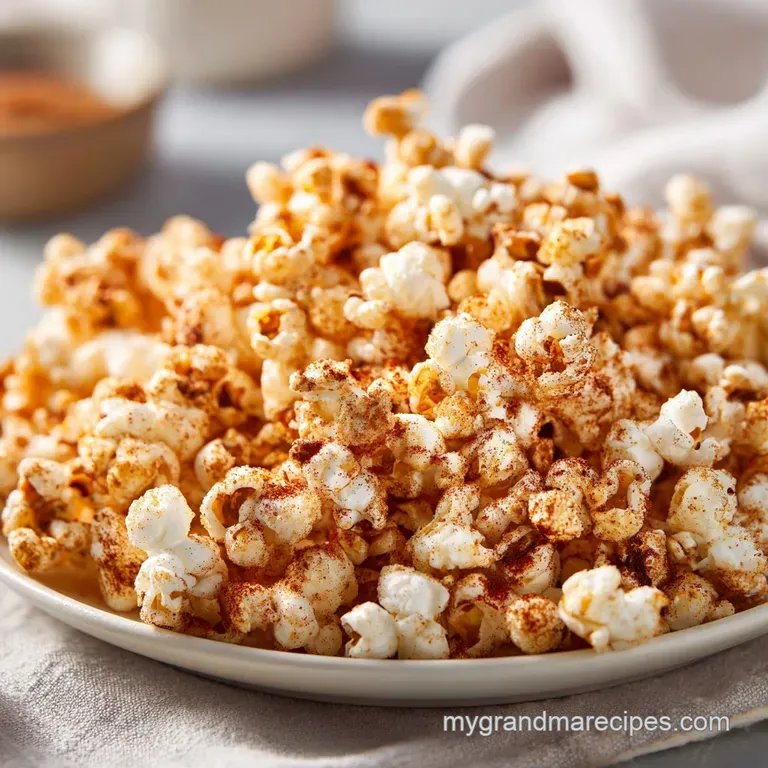
- Time: Active 5 minutes, Passive 10 minutes, Total 15 minutes
- Flavor/Texture Hook: Shatter crisp exterior with a warm, woody cinnamon finish
- Perfect for: budget-friendly movie nights or a quick win sweet craving
- Why Most Kettle Corn Methods Yield Soggy Disappointments
- Why This Works
- Understanding the Components of Cinnamon Sugar Popcorn
- Shopping List and Smart Substitutions
- Preparing Your Kitchen Arsenal
- Steps for the Perfect Pop
- Keeping the Crunch: Troubleshooting Common Issues
- Adjusting for a Crowd or a Solo Night
- Debunking Kitchen Myths
- Practical Storage and Zero Waste Tips
- The Best Ways to Serve Your Treat
- Recipe FAQs
- 📝 Recipe Card
Why Most Kettle Corn Methods Yield Soggy Disappointments
There is nothing quite like the sound of that first kernel hitting the bottom of a heavy pot, that rhythmic clink clink sizzle that promises a cozy evening ahead. In my grandma’s Tennessee kitchen, popcorn wasn’t just a snack; it was an event. We didn't have fancy air poppers or microwave bags.
We had a dented old pot and a wooden spoon. I remember the air filling with the scent of warm spice and toasted grain, a smell that meant the chores were done and it was time to relax.
This recipe for Cinnamon Sugar Popcorn is my tribute to those nights, refined with a few tricks I’ve learned to keep the kernels from getting weighed down by heavy syrups.
The biggest mistake most people make when trying to recreate this at home is adding the sugar and cinnamon too late, or worse, trying to melt them into a heavy butter sauce first. When you introduce moisture like the water content in butter to freshly popped corn, the kernels act like little sponges.
They soak up that liquid and immediately turn chewy and tough. You want that satisfying "shatter" when you bite down, not a workout for your jaw. We’re going to use refined coconut oil and a specific "flash toast" method to ensure every inch is coated in a thin, glass like layer of sweetness without the soggy aftermath.
What I love about this version is how budget friendly it is while still feeling like a total luxury. We’re using coconut sugar, which has a natural caramel like depth that plays perfectly with the Saigon cinnamon.
It’s a quick win that takes exactly 15 minutes from the moment you pull the pot out of the cabinet to the moment you’re sitting on the couch with a bowl. If you’ve ever felt like your homemade sweet corn was just "missing something," it’s likely the timing of the seasoning.
Let’s get into the mechanics of how to fix that for good.
Why This Works
Flash Toasting: Adding the sugar while the kernels are still venting steam allows the residual heat to melt the sugar slightly, creating a crisp glaze without extra liquid.
Refined Oil Stability: Using refined coconut oil provides a high smoke point (approx. 400°F), allowing the kernels to pop fully without the oil breaking down or tasting "burnt."
The Distribution Shake: Shaking the pot vigorously for 30 seconds immediately after seasoning uses centrifugal force to distribute the spice bound "glue" before it sets.
Steam Release: By removing the lid and venting the pot immediately after popping, we prevent trapped moisture from wilting the crisp texture of the corn.
| Method | Time | Texture | Best For |
|---|---|---|---|
| Stovetop | 10 minutes | Light, shatter crisp | Quick snacking & classic flavor |
| Oven Bake | 25 minutes | Dense, candy coated | Gifting or large parties |
| Whirley Pop | 8 minutes | Evenly glazed | High volume batch cooking |
Choosing the stovetop method gives you the most control over the "sizzle." While the oven can produce a thicker candy shell, it often dulls the bright, sharp notes of the Saigon cinnamon. For a true old-fashioned feel, the pot on the stove is the only way to go.
It allows the vanilla extract to atomize and coat the corn in a way that an oven just can't replicate.
Understanding the Components of Cinnamon Sugar Popcorn
| Ingredient | Science Role | Pro Secret |
|---|---|---|
| Coconut Sugar | Low moisture sweetener | Grind it in a spice mill first for a powdery finish that clings to every crevice. |
| Saigon Cinnamon | Aromatic oil carrier | Saigon variety has higher essential oil content, providing a punchier flavor than Ceylon. |
| Refined Coconut Oil | over High heat fat source | Refined oil has a neutral flavor, allowing the cinnamon and vanilla to take center stage. |
| Vanilla Extract | Flavor enhancer | The alcohol in the extract evaporates instantly, leaving behind a "velvety" aroma. |
Getting the right balance of these ingredients is what separates a mediocre snack from something truly memorable. Many people reach for regular white sugar, but it lacks the mineral complexity that makes this recipe sing. Coconut sugar behaves differently; it has a lower melting point and a naturally toasted flavor that mimics brown sugar without the sticky moisture. If you are looking for other ways to use up that bag of spice, you might find my Cinnamon Roll Cookies recipe is a perfect way to keep that warm aroma going in your kitchen all weekend.
Shopping List and Smart Substitutions
To make this Cinnamon Sugar Popcorn, you’ll need a few pantry staples. I always suggest keeping these on hand because they are versatile and shelf stable.
- 1/2 cup (100g) Popcorn Kernels: Look for "butterfly" kernels for the best nooks and crannies to catch the sugar.
- Substitute: Mushroom kernels. Why this? They pop into sturdy spheres, perfect if you want a thicker glaze.
- 2 tbsp (30ml) Refined Coconut Oil: This provides the necessary heat transfer without the "coconut" taste.
- Substitute: Grapeseed oil. Why this? High smoke point and neutral flavor, though it lacks the slight richness of coconut oil.
- 3 tbsp (45g) Coconut Sugar: Provides that deep, molasses like sweetness.
- Substitute: Brown sugar (dried out). Why this? Similar flavor profile, but ensure it's not too clumped with moisture.
- 1.5 tbsp (8g) Ground Saigon Cinnamon: The star of the show.
- Substitute: Regular Cassia cinnamon. Why this? More common, though you may need to add an extra pinch for the same punch.
- 1/4 tsp (1.5g) Fine Sea Salt: Essential for balancing the sugar.
- Substitute: Table salt. Why this? Works fine, but use slightly less as the grains are smaller and saltier by volume.
- 1/2 tsp (2.5ml) Pure Vanilla Extract: Adds a velvety finish.
- Substitute: Vanilla bean paste. Why this? Adds beautiful black specks and an even more intense aroma.
Preparing Your Kitchen Arsenal
You don't need a lot of gadgets for this, but the quality of your pot matters. A 6 quart heavy bottomed pot is the gold standard here. Thin, cheap pots have "hot spots" that will scorch your kernels before they have a chance to pop.
If you have a Dutch oven (like a Lodge or Le Creuset), that’s actually your best bet for heat retention.
You’ll also want a lid that fits snugly but allows a tiny bit of air to escape, or you can simply leave it slightly ajar once the popping gets intense. This allows the steam to vent, which is the secret to a "crispy" rather than "rubbery" texture.
Finally,, have two bowls ready: a small one for your spice mix and a very large one for the finished product. Timing is everything in this recipe, so having your "stations" set up before you turn on the burner is a pro move.
Steps for the Perfect Pop
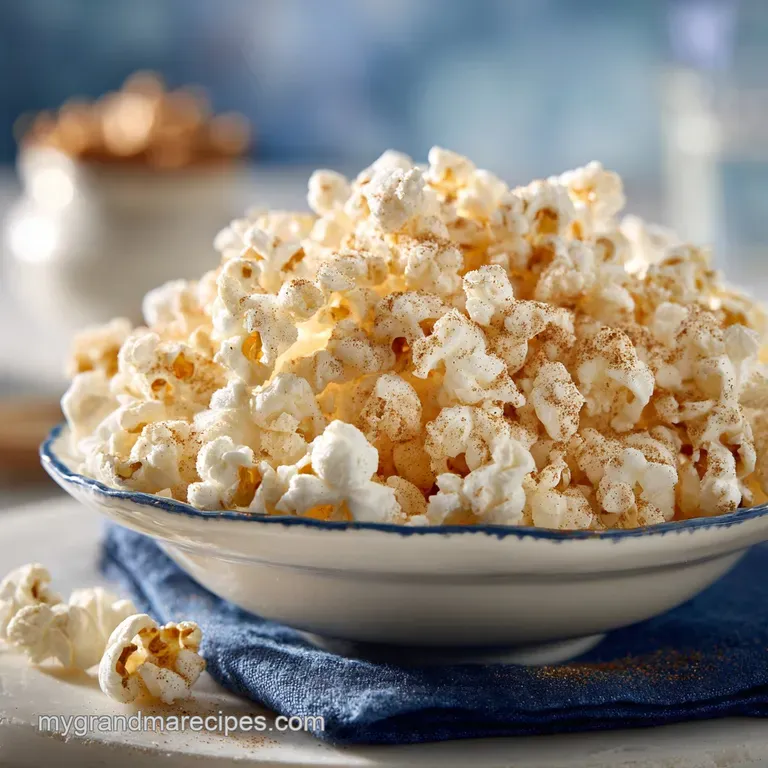
- Whisk the coconut sugar, Saigon cinnamon, and sea salt in a small bowl. Note: Mixing them beforehand ensures even distribution later.
- Heat the refined coconut oil in your 6 quart pot over medium high heat.
- Drop three test kernels into the oil and cover with the lid.
- Wait for the test kernels to pop. Once you hear that third "pop," the oil is at the correct 350°F.
- Pour in the remaining 1/2 cup of kernels and quickly replace the lid.
- Shake the pot gently over the burner every 10 seconds. Listen for the sizzle of the kernels dancing in the oil.
- Remove from heat when popping slows to 2 seconds between pops. Do not wait for every single kernel to finish, or you’ll burn the bottom.
- Drizzle the vanilla extract over the hot corn immediately.
- Sprinkle the cinnamon sugar mixture over the top while the corn is still venting steam.
- Cover and shake vigorously for 30 seconds. The residual heat will "flash toast" the sugar into a crisp glaze.
Keeping the Crunch: Troubleshooting Common Issues
One of the most frustrating things is ending up with a bowl of "squeaky" popcorn. This happens when the steam is trapped inside the pot. Popcorn kernels contain a tiny drop of water inside a circle of soft starch. When heated, that water turns to steam, builds pressure, and eventually explodes the kernel.
If that steam has nowhere to go after the pop, it settles back onto the starch, making it soft.
Why Your Popcorn Is Chewy
If your snack feels rubbery, you likely didn't vent the pot enough or you used an oil with too much water content (like butter). The "chewy" texture is the result of re hydration. Always use a neutral, refined oil for the popping stage and save any watery flavorings for the very end.
| Problem | Root Cause | Solution |
|---|---|---|
| Burnt Kernels | Heat was too high or pot was stationary | Keep the pot moving and pull it off the heat as soon as popping slows. |
| Uneven Coating | Added seasoning too late | Sprinkle the mixture while the corn is steaming hot to act as "glue." |
| Bitter Aftertaste | Burnt cinnamon | Cinnamon is delicate; don't add it to the oil during the popping phase. |
Another common pitfall is the "Burnt Spice Bitter Note." Cinnamon contains natural sugars and oils that burn at a much lower temperature than popcorn kernels pop. If you try to put the cinnamon in the oil at the start, it will scorch and leave a localized bitter flavor on the bottom kernels. Always, always add your spices after the heat is off. If you're a fan of bold flavors and want to try something even more adventurous, check out my Kool Aid Popcorn recipe for a technique that handles high sugar coatings with ease.
Common Mistakes Checklist
- ✓ Never use unrefined coconut oil; the low smoke point will cause it to smoke and taste "off."
- ✓ Don't overcrowd the pot; 1/2 cup of kernels is the limit for a 6 quart vessel.
- ✓ Avoid adding the vanilla extract too early; it needs to "mist" over the hot corn to distribute properly.
- ✓ Shake the pot continuously during the popping phase to prevent "hot spot" scorching.
- ✓ Transfer the finished corn to a wide, shallow bowl rather than a deep one to allow remaining steam to escape quickly.
Adjusting for a Crowd or a Solo Night
When you need to scale this recipe, you can't just double everything and hope for the best. Popcorn needs space to breathe. If you want to make a double batch (8 servings), I strongly recommend working in two separate rounds.
Overcrowding the pot leads to "unpopped" kernels (old maids) because the heat can't circulate efficiently through the dense layer of corn.
If you are scaling down for a solo movie night (1/4 or 1/2 batch), use a smaller 3 quart saucepan. Keep in mind that smaller pots heat up faster, so you might need to reduce your heat slightly to medium. For the spices, you can scale them linearly, but always keep the "test kernel" method the same.
It is the most reliable way to gauge temperature regardless of the volume of oil you are using.
Debunking Kitchen Myths
A common misconception is that you need to soak popcorn kernels in water to make them pop bigger. While moisture is necessary for the pop, modern commercial kernels are already dried to the ideal 13.5-14% moisture content.
Soaking them actually ruins the pericarp (the outer hull), leading to "tough" or "jagged" popcorn rather than fluffy clouds.
Another myth is that "air popping" is the only healthy way to eat popcorn. While it saves calories, air popped corn is notoriously difficult to season because there is no fat for the spices to cling to.
By using a measured amount of refined coconut oil, we provide a "bridge" for the cinnamon sugar to adhere to, which actually makes the snack more satisfying and prevents you from overeating.
Practical Storage and Zero Waste Tips
Cinnamon Sugar Popcorn is best enjoyed immediately, but you can keep it crisp for up to 3 days if you handle it correctly. The enemy is humidity. If you live in a damp climate, the sugar will eventually draw moisture from the air and become sticky.
- Storage: Store in an airtight glass jar or a heavy duty zip top bag. For the best results, place a piece of parchment paper at the bottom of the container to catch any excess sugar.
- Reheating: If it loses its "shatter," spread it on a baking sheet and pop it into a 250°F (120°C) oven for 5 minutes. This will re dry the sugar and restore the crunch.
- Zero Waste: Never throw away the "bottom of the bag" dust! Those tiny broken bits and leftover cinnamon sugar are gold. I save mine in a jar and sprinkle it over morning oatmeal or stir it into a batch of pancake batter. You can even use the unpopped "old maids" by grinding them into a coarse meal for a unique breading for fried chicken it adds a toasted corn flavor that is out of this world.
The Best Ways to Serve Your Treat
While this is a classic movie snack, there are plenty of ways to make it feel special. In Tennessee, we sometimes served this with a side of sharp cheddar cheese. The "salty sweet funky" combination is a total revelation.
The sharpness of the cheese cuts through the warmth of the Saigon cinnamon in a way that keeps you coming back for "just one more" handful.
If you’re serving this at a party, try putting it in individual brown paper bags. Not only does it look charmingly old-fashioned, but the paper actually helps absorb any micro amounts of excess oil, keeping the popcorn even crispier as the night goes on.
This is the ultimate comfort food simple, honest, and made with just a little bit of kitchen intuition. Whether you're sharing it with family or keeping the whole bowl for yourself, that first crunch is always the best part of the day.
Recipe FAQs
Does cinnamon sugar taste good on popcorn?
Yes, it creates a sophisticated balance of sweet and savory. The earthiness of Saigon cinnamon pairs perfectly with the slight nuttiness of the popcorn, especially when toasted by the residual heat.
How do you get sugar to stick to popcorn?
Drizzle the vanilla extract immediately while the popcorn is steaming hot. This provides the necessary moisture for the spice sugar mixture to adhere, then shake the pot vigorously for 30 seconds to lock it onto the kernels.
How do you make sugar and cinnamon popcorn?
Whisk the coconut sugar, Saigon cinnamon, and sea salt in a small bowl before popping. Once the popcorn is ready, drizzle with vanilla, sprinkle the mixture over the hot kernels, and shake immediately to ensure even coverage.
Can you just add sugar to popcorn?
No, it will likely burn or fall to the bottom of the bowl. You must use the heat of the freshly popped corn and the moisture from the vanilla extract to flash toast the sugar into a glaze, a process that relies on careful temperature control similar to creating a perfect glaze.
Is it true I can use any cooking oil for this recipe?
No, this is a common misconception. You must use refined coconut oil because it provides the necessary high smoke point for the 350°F oil temperature required to pop the kernels without burning.
How to avoid burning the spice mixture?
Remove the pot from the heat immediately when popping slows to 2 seconds between pops. Adding the sugar mixture while the pot is still over high heat will cause the coconut sugar to scorch rather than glaze the popcorn.
How to store leftovers so they stay crisp?
Transfer the popcorn to a wide, shallow bowl until completely cool, then store in an airtight container. Ensuring the popcorn is fully vented and free of trapped steam prevents the glaze from turning soggy.
Cinnamon Sugar Popcorn
Ingredients:
Instructions:
Nutrition Facts:
| Calories | 201 kcal |
|---|---|
| Protein | 2.3 g |
| Fat | 8.2 g |
| Carbs | 30.7 g |
| Fiber | 4.3 g |
| Sugar | 10.5 g |
| Sodium | 148 mg |
