Chicken Noodle Soup from Scratch: Silky Broth
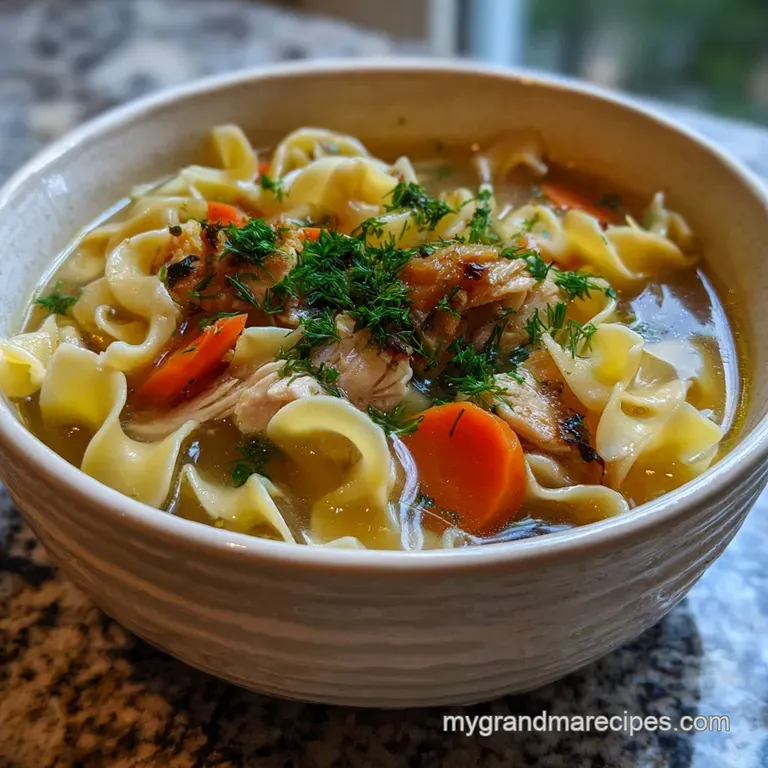
- Effort/Time: 1 hour 50 mins total
- Flavor Hook: Silky, collagen-rich broth with bright citrus and herb finishes
- Perfect for: Sunday-supper prep or soothing seasonal colds
- Decoding the Comfort of a Classic Chicken Noodle Soup From Scratch
- The Culinary Physics Behind a Rich and Golden Broth
- Building Blocks of Flavor: Selecting Your Essential Arsenal
- Essential Tools for a Professional Stock Extraction
- The Step-by-Step Blueprint for Liquid Gold
- Why Your Broth is Clouding: Pro Problem-Solving
- ⚗️ The Scaling Lab: The Physics of Quantity
- Debunking Kitchen Folklore
- Flavor Adaptations for a Custom Comfort Bowl
- Preservation Protocols and Zero-Waste Kitchen Wisdom
- The Perfect Accompaniments for Your Final Assembly
- Recipe FAQs
- 📝 Recipe Card
Decoding the Comfort of a Classic Chicken Noodle Soup From Scratch
Have you ever wondered why the canned stuff feels so hollow compared to the steaming bowl Grandma used to set on the table in her Tennessee kitchen? The secret isn't a magic ingredient; it is the patient extraction of flavor that only happens when you commit to making chicken noodle soup from scratch.
I remember watching my grandmother hover over a heavy Le Creuset Dutch Oven, skimming the surface with a devotion that turned simple water into liquid gold.
This recipe respects those old-fashioned methods while using a budget smart approach to get the most out of every carrot peel and chicken bone. We aren't just boiling meat; we are engineering a meal that nourishes the soul.
By using bone-in, skin-on thighs, we tap into a wealth of natural gelatin that creates a velvety mouthfeel no bouillon cube can replicate.
Whether the rain is drumming on the roof or you just need a taste of home, mastering this chicken noodle soup from scratch is a rite of passage for any home cook. It is about the rhythm of chopping, the hiss of the butter hitting the pan, and the mahogany colored sear on the chicken that signals the start of something truly restorative.
The Culinary Physics Behind a Rich and Golden Broth
- Collagen Hydrolysis: Simmering 1.5 kg bone-in chicken thighs converts tough connective tissue into gelatin, providing a silky body and "lip-sticking" richness.
- Aromatic Volatility: Adding 0.5 cup fresh parsley and 1 tbsp dill at the very end preserves the essential oils that would otherwise evaporate during a long simmer.
- Osmotic Balance: Starting with 3 liters of cold filtered water allows for a slow, even extraction of proteins, preventing the cloudy appearance caused by rapid boiling.
Building Blocks of Flavor: Selecting Your Essential Arsenal
| Ingredient | Chemical/Physical Role (Science) | The Pro Secret (Why This Matters) |
|---|---|---|
| 1.5 kg Chicken Thighs | Gelatin extraction via collagen hydrolysis | Why this? Bone-in thighs provide more fat and connective tissue than breasts for a richer mouthfeel. |
| 1 Large Leek | Sulfur compound complexity | Adds a subtle, onion like sweetness without the aggressive bite of raw white onions. |
| 3 Liters Cold Water | Universal solvent for flavor extraction | Why this? Cold water heats slowly, allowing proteins to coagulate and rise for easy skimming. |
| 1 tbsp Lemon Juice | pH adjustment and brightness | Cuts through the heavy animal fats to wake up the palate and highlight the herbs. |
Ingredient Substitution Logic
| Original Ingredient | Substitute | Why It Works |
|---|---|---|
| 1.5 kg Chicken Thighs | 1 Whole Chicken (broken down) | Provides a mix of white and dark meat; ensure bones are included for stock. |
| 1 Large Leek | 1 bunch Green Onions (white parts) | Offers a similar mild allium flavor, though slightly less "buttery" than leeks. |
| 250g Wide Egg Noodles | 250g Dried Mafaldine or Fusilli | Holds onto the broth well. Note: Pasta may absorb more liquid than egg noodles. |
Essential Tools for a Professional Stock Extraction
To achieve the best results with this chicken noodle soup from scratch, you need tools that manage heat distribution and filtration effectively. A Lodge 7 Quart Enameled Cast Iron Dutch Oven is my preferred vessel because its heavy lid traps steam, preventing excessive evaporation during the 1 hour 30 mins cook time.
For a crystal clear broth, a Winco Fine Mesh Strainer is non-negotiable. You want to separate the spent aromatics and bones from the liquid without agitating the sediment.
If you are prepping ahead, a set of Pyrex Glass Storage Containers will keep your ingredients organized for the final assembly.
The step-by-step Blueprint for Liquid Gold
1. The Flavor Foundation
- Place 1.5 kg chicken thighs in the pot.
- Add 2 large yellow onions (halved), 3 roughly chopped carrots, 3 celery stalks, 1 sliced head of garlic, 1 tsp peppercorns, and 2 bay leaves.
- Pour 3 liters cold filtered water over the mixture until ingredients are fully submerged.
- Bring to a gentle simmer over medium high heat until the first bubbles break the surface.
2. The Extraction and Prep
- Simmer for 1 hour until the chicken is tender and pulling away from the bone.
- Remove chicken with tongs to a plate until cool enough to handle.
- Strain the liquid through a fine mesh sieve into a clean bowl until only the golden broth remains; discard spent vegetables.
- Shred the chicken meat, discarding skin and bones, until bite sized pieces are formed.
3. The Finishing Stage
- Melt 2 tbsp unsalted butter in the wiped out pot.
- Sauté 3 sliced medium carrots, 3 sliced celery stalks, and 1 sliced leek for 8 minutes until leeks are translucent and fragrant.
- Pour the strained broth back into the pot.
- Boil for 5 minutes until carrots are slightly softened.
4. The Assembly
- Stir in 250g wide egg noodles.
- Cook for 7 9 minutes until noodles are al dente and tender.
- Add the shredded chicken, 0.5 cup parsley, 1 tbsp dill, 1 tbsp lemon juice, 1.5 tsp sea salt, and 0.5 tsp black pepper.
- Heat for 2 minutes until chicken is warmed through and herbs are vibrant.
Why Your Broth is Clouding: Pro Problem Solving
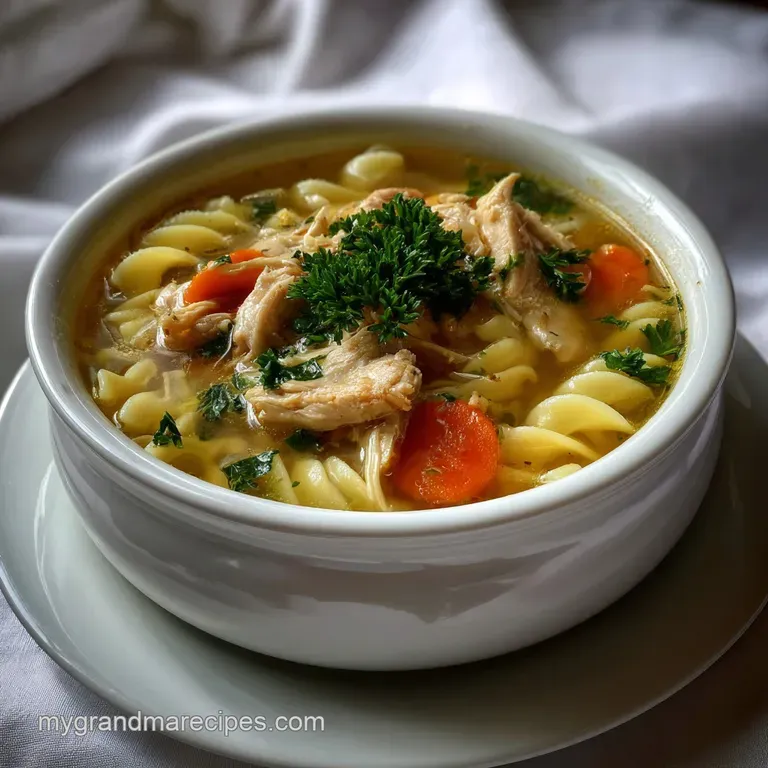
Achieving clarity in your chicken noodle soup from scratch is a sign of technical mastery. If your broth looks like dishwater rather than stained glass, you likely encountered a "rolling boil." High heat emulsifies the rendered fat into the water, creating a permanent cloudy suspension.
Similar to the delicate balance required for a Potato Soup Recipe, temperature control is everything.
| Problem | Root Cause | The Fix | Pro Protocol |
|---|---|---|---|
| Cloudy Broth | Violent boiling | Maintain a "lazy bubble" simmer | Never let the water reach a rolling boil once chicken is added. |
| Bland Flavor | Lack of seasoning or acid | Add more salt or lemon juice | Salt in increments of 0.25 tsp; acid "lifts" the hidden salt levels. |
| Mushy Noodles | Overcooking or storage | Cook noodles separately | Boil noodles in a separate pot if you plan on having leftovers. |
⚗️ The Scaling Lab: The Physics of Quantity
When you decide to double this chicken noodle soup from scratch for a large gathering, you cannot simply double every measurement and expect the same result.
- The Evaporation Paradox: If you double the recipe in the same wide pot, your surface area for evaporation stays the same while your volume doubles. Reduce the water by 15% or you will end up with a diluted, thin soup.
- Flavor Saturation: Spices and salt should only be scaled to 1.5x. Because the broth reduces over time, the concentration of salt increases exponentially. You can always add more at the 1 hour 50 mins mark.
- Thermal Mass: Doubling the 1.5 kg of chicken means the pot will take significantly longer to return to a simmer. This extended time in the "danger zone" (40°F–140°F) can affect clarity. Bring the water to a boil before adding the cold chicken to jumpstart the process.
Debunking Kitchen Folklore
- Myth: You must boil the chicken for 4+ hours for the best flavor.
- Truth: After 90 minutes, the meat becomes "straw like" and flavorless. The best flavor comes from a 1 hour extraction, after which you should remove the meat and continue simmering only the bones if desired.
- Myth: Adding salt at the beginning makes the chicken tough.
- Truth: Salting early allows the sodium to penetrate the meat fibers, seasoning the chicken from the inside out. It does not affect tenderness at these simmering temperatures.
Flavor Adaptations for a Custom Comfort Bowl
If you find yourself making this recipe often, you might want to change the profile based on what is in your pantry. Much like the versatility of a Fried Chicken Recipe brine, your soup base can handle various aromatics.
1. The Ginger Turmeric Boost
For an anti inflammatory powerhouse, sauté 1 tbsp of freshly grated ginger and 1 tsp of ground turmeric with the leeks. This creates a vibrant yellow hue and a subtle heat that cuts through the richness of the chicken thighs.
2. The Low-Carb Swap
If you are watching your starch intake, replace the 250g of wide egg noodles with spiralized zucchini or "zoodles." Add them in the final 2 minutes of cooking so they barely soften; otherwise, they will release too much water into your carefully crafted stock.
Preservation Protocols and Zero Waste Kitchen Wisdom
Storage & Reheating
- Fridge: 4 days in an airtight container. The noodles will continue to absorb liquid, so you may need to add a splash of water when reheating.
- Freeze: 3 months. Note: Freeze the broth and chicken without the noodles. Thawed noodles become unpleasantly grainy.
- Reheat: Warm over medium low heat on the stove. Avoid the microwave, as it can result in unevenly heated chicken "explosions" and rubbery noodles.
Zero Waste Philosophy
- Chicken Skin/Bones
- Don't toss the scraps from the shredding process. Transform: Simmer the bones and skin with a splash of apple cider vinegar for another 4 hours to make a concentrated bone broth. Science: The acid helps break down the mineral structure of the bones, releasing calcium and magnesium.
- Leek Tops
- Use the dark green parts of the leek that were set aside. Transform: Char them in a dry pan and add them to your next vegetable stock. Science: Charring creates carbonized sugars that add a smoky, "umami" depth to clear liquids.
- Parsley Stems
- Finely mince the stems of the 0.5 cup parsley. Transform: Sauté them with the carrots and celery. Science: Stems contain more concentrated flavor compounds than the leaves, which can withstand the heat of the sauté.
The Perfect Accompaniments for Your Final Assembly
A bowl of chicken noodle soup from scratch deserves a sidekick that can handle the broth. I always suggest a thick slice of sourdough bread toasted with salted butter. The acidity of the bread complements the lemon juice in the soup perfectly.
For a full Sunday feast, this soup acts as a wonderful starter to a heavier dessert, like a classic Apple Pie Recipe. The contrast between the savory, salty broth and the shattering, sweet crust of a fresh pie is the epitome of comfort food. Just remember to skim the fat from your soup one last time before serving to ensure every spoonful is as clean and vibrant as the first.

Recipe FAQs
Why is my chicken noodle soup broth cloudy instead of clear?
Violent boiling prevents clarity. Rapid heating emulsifies fat into the water, creating a persistent suspension rather than allowing clear extraction.
- Start stock with cold water only
- Maintain a gentle, lazy simmer
- Skim foam aggressively during the first 15 minutes
Should I use bone-in or boneless chicken?
Bone-in thighs provide superior richness. Collagen hydrolysis converts bone connected tissue into gelatin, which creates a silky mouthfeel unmatched by lean meat alone. Gelatin adds viscosity and body, transforming thin liquid into satisfying broth.
Myth: Adding salt early toughens the chicken meat.
Myth: Adding salt at the beginning makes the chicken tough. Truth: Salting early allows sodium ions to penetrate muscle fibers, seasoning the meat deeply from within and aiding moisture retention during the simmer.
Is it better to use store-bought stock or make scratch broth?
Scratch broth yields unparalleled depth. store-bought options often lack the necessary high concentration of natural gelatin extracted through long simmering of bones and connective tissue. Homemade stock contains essential collagen that yields a richer, lip-sticking texture.
When should I add fresh herbs like parsley and dill?
Add fresh herbs immediately before serving. Their delicate essential oils are volatile and will quickly evaporate during prolonged heating, losing brightness. Adding them last preserves their aromatic compounds which activate upon contact with the hot broth.
What happens if I cook the noodles directly in the soup pot?
Noodles absorb and bloat the broth. Pasta continues to hydrate even off-heat, leaching starch into your carefully constructed stock base. For optimal leftover quality, always cook noodles separately and add only before serving.
Myth: You need expensive aromatics like saffron for rich color.
Myth: You need expensive aromatics like saffron for rich color. Truth: Deep golden color comes primarily from fat rendering during the initial sear and slow extraction of gelatin from browned bone, not spices.
Chicken Noodle Soup From Scratch
Ingredients:
Instructions:
Nutrition Facts:
| Calories | 418 kcal |
|---|---|
| Protein | 33.8 g |
| Fat | 14.2 g |
| Carbs | 37.5 g |
| Fiber | 3.8 g |
| Sugar | 5.2 g |
| Sodium | 845 mg |
