Charcuterie Board: Tennessee Hospitality
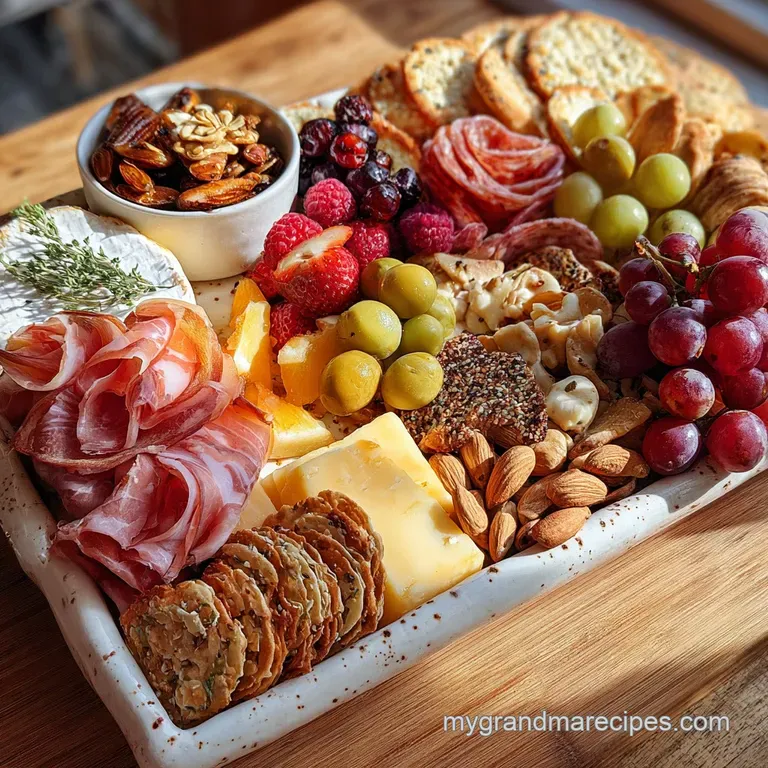
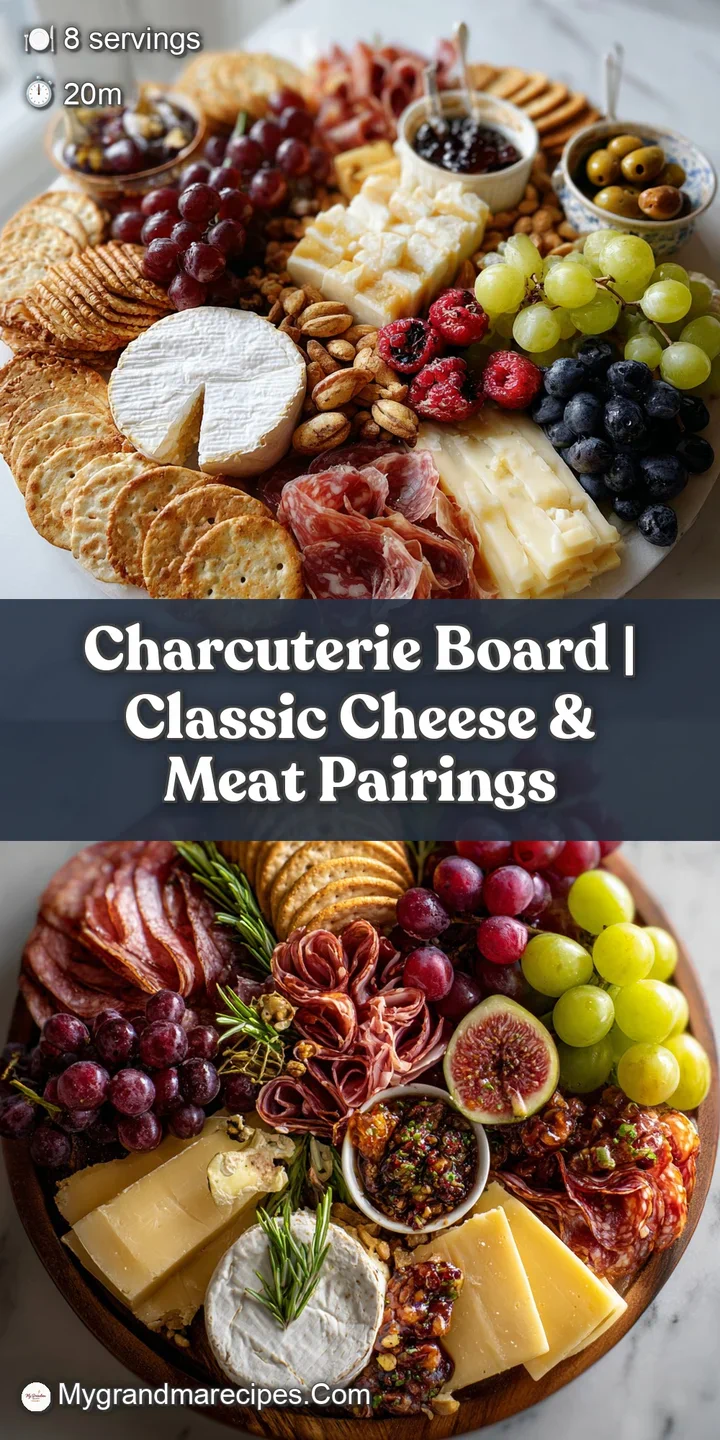
- Time: Active 20 mins, Passive 0 mins, Total 20 mins
- Flavor/Texture Hook: Silky prosciutto paired with a sharp, crystalized cheddar crunch
- Perfect for: Low stress hosting, holiday appetizers, or a "picky plate" family supper
- Create a Stunning Charcuterie Board Spread
- Why This Layout Always Satisfies
- Component Deep Dive and Analysis
- Sourcing the Very Best Ingredients
- Necessary Tools for Pretty Plating
- Assembling Your Masterpiece Step by Step
- Solving Common Presentation Problems
- Smart Swaps for Seasonal Flavors
- Keeping Everything Fresh and Crisp
- Setting the Scene for Guests
- High in Sodium
- Charcuterie Board FAQs
- 📝 Recipe Card
Create a Stunning Charcuterie Board Spread
I remember Sundays at my grandma’s house in Tennessee. She didn’t call it a Charcuterie Board back then; she just called it "putting out a spread." There was something magical about the sound of that heavy wooden board hitting the table and the sharp snap of a Granny Smith apple being sliced.
It wasn't about being fancy; it was about having a little bit of everything so nobody left the table hungry.
Building a board like this is honestly one of my favorite ways to feed people because it’s so forgiving. You’ve got the velvety goat cheese sitting right next to those peppery radishes, and it just works.
I’ve made the mistake of overthinking the layout before, trying to make it look like a magazine cover, but I learned that the best boards are the ones that look gathered, not manufactured. Trust me, your friends just want to eat, they aren't bringing a ruler to the party.
Right then, let's talk about why we do things the old-fashioned way. We aren't just tossing food on a plank. We’re building layers of flavor that hit every part of your tongue. From the brine of the Kalamata olives to the local honey drizzle, every piece has a job to do.
It’s about comfort food that you can eat with your hands.
Why This Layout Always Satisfies
- Palate Reset: The acidity in the English cucumber and Dijon mustard cuts through the heavy fats of the cheeses, preventing your taste buds from getting fatigued.
- The Satiety Factor: High protein bresaola and turkey summer sausage provide lasting fullness compared to boards that rely solely on crackers and fruit.
- Enzymatic Texture: Aged cheeses like our extra sharp cheddar contain tyrosine crystals that provide a tiny, satisfying "crunch" against the creamy gorgonzola.
The Physics of the Palate Reset
Fat molecules in the cheese coat your tongue, which is why the first bite tastes better than the fifth. By adding acidic elements like mustard or radishes, you strip that fat layer away, making every single bite feel like the very first one.
| Servings | Ingredient Adjustments | Board Size | Assembly Time |
|---|---|---|---|
| 4 People | Half all meats/cheeses | 10 inch round | 12 minutes |
| 8 People | Use quantities in recipe | 18 inch rectangle | 20 minutes |
| 16 People | Double all meats/cheeses | Two 18 inch boards | 35 minutes |
When you're planning your spread, keep in mind that people tend to graze more when the variety is high. For a bigger crowd, don't just buy bigger blocks of cheese; buy more types of cheese. This keeps the visual interest high and the flavors moving.
Component Deep Dive and Analysis
| Ingredient | Science Role | Pro Secret |
|---|---|---|
| Extra sharp Cheddar | Hard Protein Structure | Bring to 68°F before serving to release hidden oils and aromas. |
| Raw Walnuts | Tannic Astringency | Toast them for 3 minutes to remove the bitter skin aftertaste. |
| Prosciutto di Parma | Cured Fat Saturation | Ribbon the slices to increase surface area for better melting on the tongue. |
Sourcing the Very Best Ingredients
- 5 oz extra sharp grass fed cheddar cheese: Why this? The grass fed variety has more complex, earthy notes than standard grocery store blocks. (Substitute: Aged Gouda)
- 4 oz goat cheese log: Why this? Provides a tangy, spreadable base for the crackers. (Substitute: Cream cheese with herbs)
- 3 oz gorgonzola cheese: Why this? Adds a punchy, funky depth that balances the sweet honey. (Substitute: Roquefort or any blue cheese)
- 4 oz prosciutto di Parma: Why this? It's thinly sliced and salty enough to stand up to the fruit. (Substitute: Serrano ham)
- 3 oz bresaola: Why this? A lean, air dried beef that offers a different texture than pork. (Substitute: Pastrami slices)
- 4 oz turkey summer sausage: Why this? Nitrate free and provides a firm, meaty bite. (Substitute: Beef summer sausage)
- 1 medium Granny Smith apple: Why this? The tartness is mandatory to balance the heavy fats. (Substitute: Firm Bosc pear)
- 4 oz multi grain flaxseed crackers: Why this? Sturdy enough to hold heavy cheese without snapping. (Substitute: Sourdough crisps)
- 2 tbsp raw local honey: Why this? Local honey has more floral depth than processed clover honey. (Substitute: Fig jam)
Necessary Tools for Pretty Plating
You don't need a professional kitchen to make a beautiful Charcuterie Board. In fact, I often find that using my old wooden cutting board from grandma's kitchen works better than those expensive marble slabs.
The wood has character and doesn't make that clinking noise every time someone grabs a cracker.
Chef's Tip: Put your cheese knives in the freezer for 10 minutes before slicing the soft goat cheese. It prevents the cheese from sticking and keeps the log looking neat and tidy.
Beyond the board, gather a few small ramekins or mismatched tea saucers. These are perfect for the "wet" ingredients like Kalamata olives and Dijon mustard. Keeping the liquids contained ensures your crackers stay crisp and your apple slices don't end up tasting like brine.
Assembling Your Masterpiece step-by-step
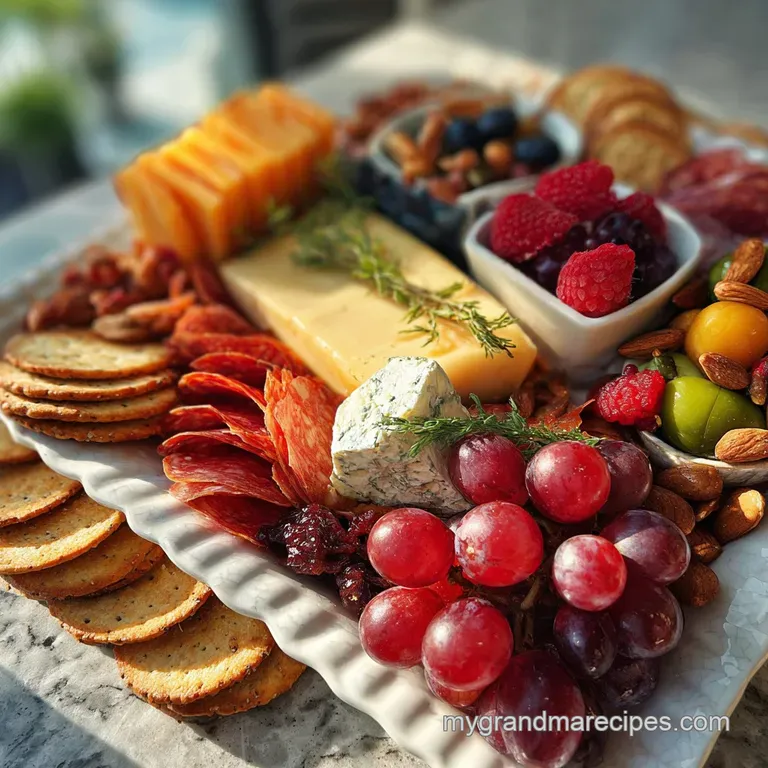
- Anchor the board. Place the 4 oz goat cheese log, 3 oz gorgonzola, and 5 oz cheddar in a triangular pattern across the board. Note: This creates visual balance and prevents crowding at one end.
- Ribbon the meat. Fold the 4 oz prosciutto into loose ribbons and nestle them near the cheddar. Cook until the meat looks voluminous and airy.
- Slice the sausage. Cut the 4 oz turkey summer sausage into 1/4 inch rounds. Note: Chilling it first makes these cuts much cleaner.
- Prep the produce. Slice the 1.5 cups of English cucumber and halved radishes. Arrange until the colors look vibrant and varied.
- Fan the fruit. Slice the Granny Smith apple and fan it out near the goat cheese. Note: The tartness of the apple is a classic pairing for creamy goat cheese.
- Add the crunch. Tuck the 4 oz flaxseed crackers into the empty spaces between the cheeses. Position until the board feels full and sturdy.
- Fill the gaps. Sprinkle the 0.5 cup walnuts and 0.25 cup pumpkin seeds into the tiny "holes" left on the board.
- Drizzle and dip. Place the 2 tbsp Dijon mustard and 2 tbsp honey in small jars. Set until the board looks like a complete landscape.
Solving Common Presentation Problems
Why Your Cheese Looks Sweaty
If you see beads of moisture on your cheddar, it usually means it was taken out of the fridge and left in a warm room for too long. Cheese is mostly fat and water; when it warms up, those fats start to separate.
| Problem | Root Cause | Solution |
|---|---|---|
| Soggy Crackers | Contact with wet produce | Use cucumber slices or small bowls as barriers between crackers and fruit. |
| Browning Apples | Oxidation | Toss slices in a splash of lemon juice or pineapple juice before plating. |
| Crumbly Goat Cheese | Slicing while too warm | Use a piece of unflavored dental floss to "cut" the log perfectly. |
Common Mistakes Checklist
- ✓ Never use "cold" cheese - let it sit for 30 minutes to wake up the flavors.
- ✓ Don't pre slice everything - leave the cheddar in a block so people can chunk off what they want.
- ✓ Avoid crowding the crackers - if they are too tight, people will break them trying to get one out.
- ✓ Forget the low-fat stuff - this is a treat, so go for the full fat, grass fed options.
Smart Swaps for Seasonal Flavors
If you’re looking to scale this down for a quiet night in, just use half the quantities and a smaller plate. For the liquids, you only need 1 tablespoon of honey if you're eating solo.
If you're going big for a party, don't double the amount of olives instead, add a second type, like Castelvetrano, to keep it interesting.
When it comes to the meat, if you find bresaola too hard to find, a good quality roast beef sliced paper thin works in a pinch. The goal is that lean, salty hit. For another festive option, you might like my Valentine's Day Charcuterie recipe which leans into those romantic reds and pinks.
| Feature | Freshly Prepared | Grocery Shortcut |
|---|---|---|
| Cheddar Texture | Craggy and bold | Smooth and mild |
| Nut Flavor | Toasty and deep | Salty and oily |
| Fruit Crispness | High shatter snap | Soft and muted |
Keeping Everything Fresh and Crisp
If you have leftovers, don't just throw them all in one container. The crackers will turn into mush by morning. Store the meats and hard cheeses together in beeswax wrap or an airtight container in the fridge for up to 3 days.
The goat cheese and gorgonzola should be wrapped separately in parchment paper to let them "breathe" without picking up fridge smells.
Zero Waste Tip: Don't toss those radish tops or the apple core. Radish greens make a peppery pesto, and apple scraps can be simmered with a cinnamon stick for a quick stovetop potpourri.
Even the rinds of the cheddar can be tossed into a soup pot to add a massive hit of umami to your next vegetable broth.
Setting the Scene for Guests
When it’s time to serve, I like to put the board in the center of the table and just let people dive in. There's no right or wrong way to eat a Charcuterie Board. Some folks like a cracker with everything on it, and some just want to nibble on the bresaola. If you need more party inspiration, check out my Valentine's Finger Food recipe for more easy to grab snacks.
- For a punchy bite: Stack the extra sharp cheddar with a dollop of Dijon mustard.
- For a velvety mouthfeel: Spread goat cheese on a cracker and top with a blackberry.
- For a lighter snack: Wrap a slice of prosciutto around an English cucumber round.
Right then, you're all set. Remember, the best part about this spread is the conversation that happens around it. Don't worry about the "perfect" placement. Just get that food on the board and enjoy your company!
High in Sodium
985 mg mg of sodium per serving (43% % of daily value)
The American Heart Association recommends limiting sodium intake to about 2,300mg per day.
Tips to Reduce Sodium in This Recipe
-
Reduce Processed Meats-25%
Significantly reduce sodium by using only 2 oz of prosciutto and bresaola instead of 7oz total. Processed meats like prosciutto, bresaola, and summer sausage are major sodium contributors.
-
Lower Sodium Cheese-15%
Replace the 5 oz extra sharp cheddar and 3 oz gorgonzola with a 8 oz of fresh mozzarella or ricotta cheese. Hard and aged cheeses like cheddar and gorgonzola are typically higher in sodium.
-
Reduce/Omit Olives-15%
Reduce or eliminate the Kalamata olives. Olives, especially those that are cured or brined, have a high sodium content. Consider replacing them with some fresh bell pepper strips.
-
Low Sodium Crackers-10%
Choose a low-sodium or unsalted variety of crackers. Alternatively, replace half of the crackers with sliced apple or cucumber to add volume without the sodium.
-
Dilute Dijon-10%
Use only 1 tbsp of dijon mustard instead of 2 tbsp, and mix with 1 tbsp of raw honey to balance the flavours and reduce sodium intake.
-
Enhance with Herbs
Use fresh or dried herbs (like basil, oregano, thyme, or rosemary) and spices (like black pepper, garlic powder, or onion powder) to add flavor without sodium. Experiment with different combinations to find your favorites.
Charcuterie Board FAQs
What is the 3-3-3 rule for charcuterie boards?
There isn't a strict "3-3-3" rule. This is a common misconception; while variety is key, there's no universal number of items to adhere to. Aim for a balance of textures, flavors, and colors across cheeses, meats, and accompaniments.
What should be on a charcuterie board?
Include a variety of cured meats, cheeses, and accompaniments. Essential elements often feature salty cured meats like prosciutto or salami, a selection of cheeses (hard, soft, and semi hard), crusty bread or crackers, fruits, nuts, and pickles or olives for acidity.
What are 5 things to avoid on a charcuterie board?
Avoid watery ingredients, overly soft cheeses that melt, very mild flavors, processed items that lack character, and anything that requires utensils. Ingredients like fresh mozzarella (too watery), very crumbly cheeses that fall apart, bland crackers, or items that need to be cut with a knife can
detract from the experience.
What does charcuterie mean literally?
Charcuterie literally translates from French to "pork butcher shop." It historically refers to the craft of preparing and selling cured or smoked pork products, such as ham, bacon, sausage, and pâté.
Can I include vegetarian options on a charcuterie board?
Yes, absolutely. While traditional charcuterie focuses on meats, modern boards frequently incorporate a wide array of vegetarian options like artisanal breads, dips, roasted vegetables, olives, fruits, nuts, and cheeses to cater to all guests.
How should I arrange a charcuterie board?
Start with anchor items like cheeses and small bowls for dips, then fill in with meats and accompaniments. Place cheeses first, creating visual balance, then fan out meats, nestle crackers and bread, and finally tuck in fruits, nuts, and pickles into any empty spaces for a full, inviting look.
What temperature should cheese be for a charcuterie board?
Serve cheese at room temperature, ideally around 68°F (20°C). This allows the fats to soften, releasing the cheese's full aroma and complex flavors, making it much more enjoyable than when served straight from the refrigerator.
Charcuterie Board
Ingredients:
Instructions:
Nutrition Facts:
| Calories | 425 kcal |
|---|---|
| Protein | 22.5 g |
| Fat | 27.2 g |
| Carbs | 23.6 g |
| Fiber | 3.1 g |
| Sugar | 10.4 g |
| Sodium | 985 mg |
