Vanilla Atole: Silky and Fragrant
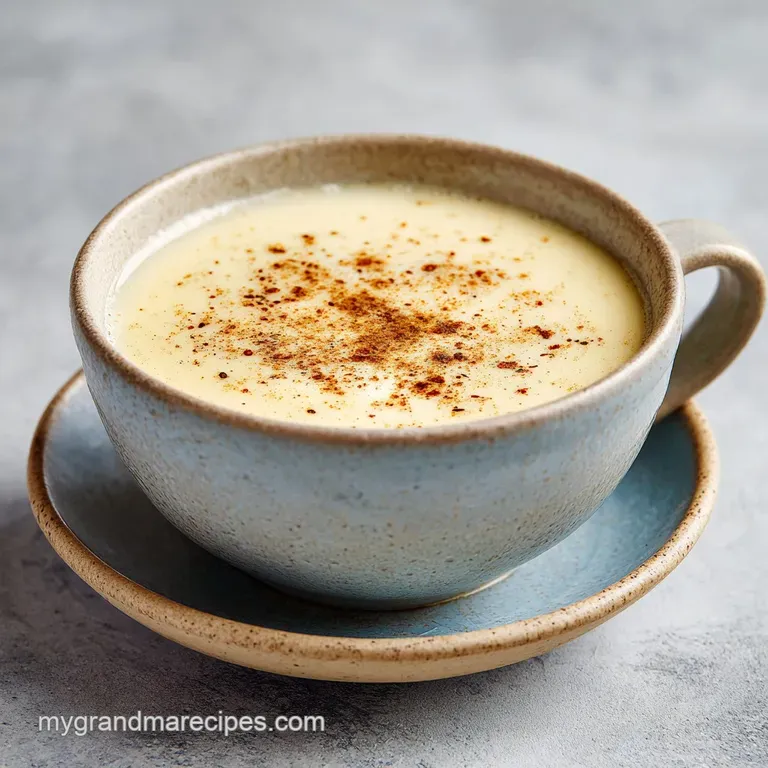
- Time: Active 5 minutes, Passive 15 minutes, Total 20 minutes
- Flavor/Texture Hook: Silky, fragrant, and deeply comforting
- Perfect for: Chilly mornings, holiday gatherings, or a cozy night in
- Mastering the Comfort of a Warm Vanilla Atole
- The Physics of the Velvety Swirl
- Component Analysis of the Traditional Blend
- Essential Tools for a Smooth Texture
- Selecting Elements for a Velvety Finish
- Step-by-Step Guide to the Perfect Pour
- Fixing Texture and Flavor Hiccups Fast
- Scaling the Recipe for Any Occasion
- Debunking Traditional Starch Myths
- Proper Storage and Gentle Reheating Tips
- The Best Bites to Pair Alongside
- Recipe FAQs
- 📝 Recipe Card
Mastering the Comfort of a Warm Vanilla Atole
Hola! If you have ever stood in a drafty kitchen at six in the morning, watching the steam rise off a heavy pot while the scent of toasted cinnamon fills the air, you know exactly why I am obsessed with this recipe.
There is something truly magical about the way a few humble ingredients - corn, milk, and sugar - transform into a drink so thick and silky it feels like a liquid blanket. Growing up in a Texas Mexican household, my Abuela taught me that a true Vanilla Atole isn't just a drink, it is a lesson in patience and the beauty of simple comforts.
We are talking about a texture that is miles away from a watery hot cocoa. It is heavy, rich, and clings to the back of a spoon in the most satisfying way. The contrast here is what makes it sing: the deep, savory earthiness of the masa harina provides the base, while the bright, floral sweetness of the vanilla and the spicy bite of Mexican canela cut right through the richness.
It is a fusion of ancient traditions and modern pantry staples that works every single time, provided you don't rush the process.
I have made every mistake in the book with this one, from lumpy slurries to scorched milk, so you don't have to. We are going to walk through the science of getting that perfect "sip and coat" consistency without any of the grit.
Whether you are looking for a nostalgic taste of home or a new way to warm up during the winter months, this recipe is the one you will come back to. Let's get that pot on the stove and start whisking!
The Physics of the Velvety Swirl
Starch Gelatinization: When the corn starch in the masa harina reaches a specific temperature, the granules swell and burst, releasing a mesh of molecules that trap liquid and thicken the drink into a silky emulsion.
Aromatic Extraction: Steeping the cinnamon stick in the milk before adding the starch allows the fat in the dairy to absorb the fat soluble flavor compounds from the bark, creating a deeper flavor profile.
Chef's Tip
To take the flavor to another level, toast your dry masa harina in a skillet for 2 to 3 minutes until it smells nutty before mixing it with water. This adds a toasted popcorn like depth that balances the sweet vanilla beautifully.
| Method | Time | Texture | Best For |
|---|---|---|---|
| Stovetop | 15 minutes | Perfectly smooth and integrated | Everyday cravings and small batches |
| Oven Warm | 45 minutes | Thick and very concentrated | Keeping large batches warm for parties |
Making this on the stovetop is the gold standard because it allows you to control the heat and prevent the bottom from catching. However, if you are making a double batch for a crowd, you can actually keep the finished atole in a Dutch oven inside a 200°F (95°C) oven to keep it at the ideal serving temperature without it skinning over too quickly.
Component Analysis of the Traditional Blend
| Ingredient | Science Role | Pro Secret |
|---|---|---|
| Masa Harina | Primary Thickener | Use corn flour treated with lime (nixtamalized) for that distinct, earthy "tortilla" aroma. |
| Whole Milk | Fat Emulsifier | The high fat content carries the vanilla and cinnamon flavors across your palate more effectively than water. |
| Pure Vanilla | Flavor Enhancer | Add this at the very end of the cooking process to prevent the delicate aromatic oils from evaporating. |
When you are sourcing your ingredients, look for a high-quality Mexican vanilla extract if possible. It often has a slightly woodier, more complex profile than the standard grocery store variety. If you find yourself craving something a bit more solid to go with your drink, this atole pairs beautifully with a slice of my Vanilla Cream Cakes recipe for the ultimate vanilla on-vanilla experience.
Essential Tools for a Smooth Texture
To get that professional, lump free finish, you really only need a few basic kitchen items, but the quality of the tools matters. A heavy bottomed saucepan is non negotiable here. Thin pots have "hot spots" that will cause the corn and sugar to caramelize and burn on the bottom before the rest of the drink is even warm.
You will also want a sturdy balloon whisk. While a spoon works for stirring, a whisk is your best friend when it comes to incorporating the masa slurry into the hot milk. It breaks up any tiny stubborn clumps of corn flour that might try to form the second they hit the heat.
If you want to be truly traditional, you could use a molinillo (a carved wooden whisk), but a standard stainless steel whisk works just as well for our modern kitchens.
Selecting Elements for a Velvety Finish
The beauty of this recipe lies in its simplicity. We are using 1/2 cup (60g) of masa harina as our foundation. Don't confuse this with regular cornmeal, which is too gritty; you want the fine, nixtamalized flour used for making tortillas. To hydrate it, we use 1 cup (240ml) of cold water.
This cold start is the secret to avoiding lumps later on.
For the body, we have 3 cups (710ml) of whole milk. You could use 2% in a pinch, but you will miss that luxurious mouthfeel. The sweetness comes from 1/3 cup (65g) of grated piloncillo. If you can't find piloncillo, dark brown sugar is a fantastic substitute because it brings that same molasses heavy depth.
Finally, we round it all out with 1 stick of Mexican canela, 1 tbsp (15ml) of pure vanilla extract, and a tiny pinch of sea salt to make the sweetness pop.
| Original Ingredient | Substitute | Why It Works |
|---|---|---|
| Piloncillo (1/3 cup) | Dark Brown Sugar (1/3 cup) | Similar molasses content. Note: Piloncillo is more earthy, brown sugar is slightly sweeter. |
| Whole Milk (3 cups) | Coconut Milk (Full fat, 3 cups) | Provides the necessary fat for creaminess. Note: Adds a distinct tropical flavor profile. |
| Masa Harina (1/2 cup) | Cornstarch (3 tbsp) | Thickens the liquid. Note: You will lose the characteristic toasted corn flavor of authentic atole. |
If you are looking to create a complete dessert spread, you might consider trying the Neapolitan Cupcakes for recipe as a colorful contrast to the ivory colored atole. The strawberry and chocolate notes in the cupcakes play really well with the spiced vanilla of the drink.
step-by-step Guide to the Perfect Pour
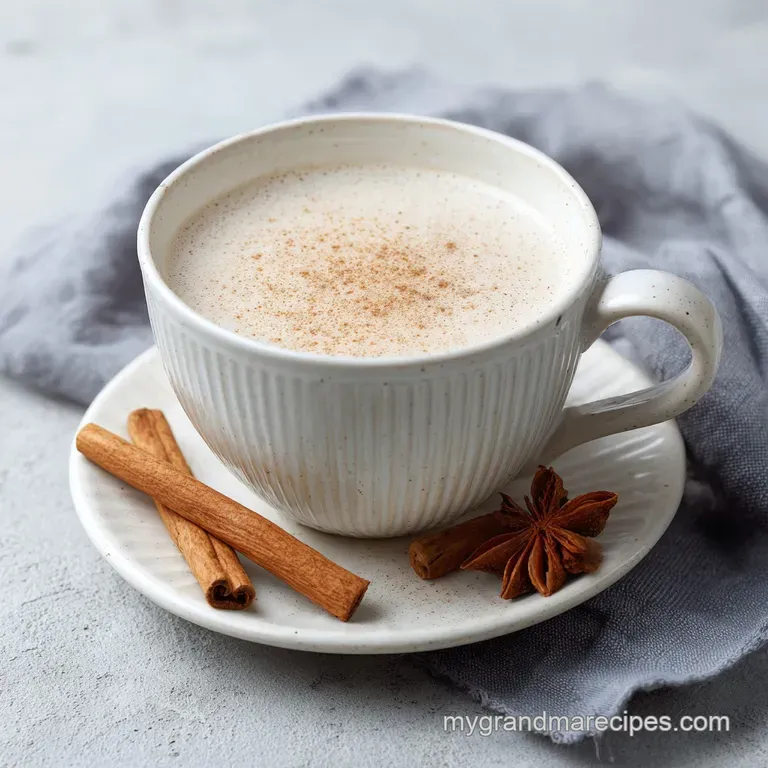
- Hydrate the masa. Whisk 1/2 cup (60g) of masa harina into 1 cup (240ml) of cold water until it forms a smooth, liquid paste. Note: Using cold water prevents the starch from clumping prematurely.
- Infuse the milk. Combine 3 cups (710ml) of whole milk, the cinnamon stick, and 1/3 cup (65g) of piloncillo in a heavy saucepan.
- Heat the base. Warm the milk over medium heat until the piloncillo dissolves and small bubbles form at the edges.
- Strain the slurry. Pour the masa mixture through a fine mesh sieve into the hot milk. Note: This is an extra insurance policy against any tiny lumps.
- Thicken the drink. Whisk constantly for 8 to 10 minutes until the mixture thickens and coats the back of a spoon.
- Add the salt. Drop in a pinch of sea salt and whisk for another minute.
- Flavor at the finish. Remove the pot from the heat and stir in 1 tbsp (15ml) of pure vanilla extract.
- Remove the aromatics. Take out the cinnamon stick before serving.
- Cool slightly. Let the atole sit for 2 minutes until the surface develops a slight, glossy sheen.
- Serve warm. Pour into mugs and enjoy immediately while the texture is at its peak.
Fixing Texture and Flavor Hiccups Fast
The most common issue people face with Vanilla Atole is the texture. Because we are working with corn solids, they want to settle at the bottom. If you stop stirring for even a minute, you might end up with a layer of "corn fudge" at the bottom of your pot. If this happens, don't panic!
Just remove it from the heat immediately and whisk vigorously.
To Fix a Lumpy Texture
If your atole looks like it has tiny beads in it, it usually means the masa slurry wasn't mixed well enough before it hit the hot milk. You can save this by carefully pouring the entire mixture into a blender and pulsing it for 30 seconds. Return it to the pot and continue cooking.
Just be careful with hot liquids in a blender leave the lid slightly cracked to let steam escape!
To Fix a "Skin" on Top
As the atole cools, the proteins in the milk and the starches in the corn form a thin film on the surface. This is perfectly normal, but some people find it unappealing. To prevent this, you can press a piece of parchment paper or plastic wrap directly onto the surface of the liquid if you aren't serving it right away.
If it has already formed, simply whisk it back into the drink.
| Problem | Root Cause | Solution |
|---|---|---|
| Gritty mouthfeel | Masa harina was not hydrated enough | Let the slurry sit for 5 minutes before adding to milk. |
| Too thick to drink | Over reduction of liquid | Whisk in an extra 1/4 cup of warm milk. |
| Burnt aftertaste | Heat was too high | Transfer to a clean pot immediately; do not scrape the bottom. |
Common Mistakes Checklist
- ✓ Never use hot water to mix your masa slurry (it will clump instantly).
- ✓ Don't walk away from the stove; constant stirring is the secret to silkiness.
- ✓ Wait to add the vanilla until the heat is off to keep the flavor bright.
- ✓ Use a heavy bottomed pot to ensure even heat distribution.
- ✓ If using piloncillo, grate it finely so it dissolves before the milk boils.
Scaling the Recipe for Any Occasion
When you want to scale this recipe down for a solo treat, you can easily halve everything. For 1/4 of a cup of masa harina, use 1/2 cup of water and 1.5 cups of milk. The cooking time will be slightly shorter, about 6 to 7 minutes, because the smaller volume heats up much faster.
If you are doubling the recipe for a holiday party, keep the spices in check. You don't need to double the cinnamon; 1.5 sticks are usually enough for a double batch to avoid it becoming too woody. Also, reduce the total liquid by about 10% initially, as larger volumes of atole tend to thicken more aggressively. You can always whisk in more milk at the end to reach your desired consistency. For a festive touch, this large batch looks beautiful served alongside Strawberry Roses with recipe for a stunning dessert table.
Debunking Traditional Starch Myths
One of the biggest misconceptions is that you can't make a good atole without fresh corn dough (masa de maiz). While fresh dough is wonderful, high-quality dried masa harina has been developed specifically to hydrate perfectly into liquids.
It is a reliable, pantry stable way to get that authentic flavor without needing a local tortilla factory nearby.
Another myth is that you need to boil the milk vigorously to get it to thicken. In reality, boiling can cause the milk to curdle or the masa to take on a bitter, scorched flavor. Gentle heat is your best friend.
The starch gelatinizes beautifully at a simmer, and the slow climb in temperature gives the cinnamon stick more time to release its aromatic oils into the dairy.
Proper Storage and Gentle Reheating Tips
Vanilla Atole is best served immediately, but it does store surprisingly well. You can keep leftovers in an airtight glass jar in the fridge for up to 3 days. Be aware that it will turn into a thick, gelatinous pudding once it is cold. This is actually a sign that you did everything right! The starches have fully set.
To reheat, place the atole back in a small saucepan over low heat. You will need to add a splash of milk or water to loosen it up, as it will be very thick. Whisk constantly as it warms to bring back that original velvety texture.
I don't recommend freezing atole; the starch structure tends to break down when thawed, leaving you with a grainy, separated texture that just isn't the same.
For a zero waste tip, if you have just a small amount of leftover atole that isn't enough for a full mug, use it as a base for your morning oatmeal! The corn and vanilla flavors make the most incredible creamy porridge.
You can also use leftover cinnamon sticks (after a quick rinse and dry) to simmer in a pot of water on the stove as a natural room freshener.
The Best Bites to Pair Alongside
Since this drink is quite rich and sweet, it pairs wonderfully with something that has a bit of texture or a slight tang. In many parts of Mexico and Texas, it is traditionally served with tamales, where the savory corn husk steamed masa complements the sweet corn drink.
It is a "corn on corn" experience that is surprisingly balanced.
If you are looking for something sweet, try dipping a piece of pan dulce or a buttery concha into your mug. The bread soaks up the thick atole like a sponge. For a more modern pairing, a crisp ginger snap or a shortbread cookie provides a lovely snap that contrasts with the liquid's smoothness. If you are feeling extra fancy, a light Strawberry Layer Cake recipe offers a bright, fruity contrast that lifts the deep, earthy notes of the vanilla and corn. It is all about finding that balance between the heavy, warm drink and something light or textured!
Recipe FAQs
What is Atolé de Vainilla?
It is a traditional, warm, thick beverage. Atole is made by cooking masa harina (corn flour) with milk, water, sugar, and flavorings until it thickens into a silky consistency, in this case, flavored distinctly with vanilla.
What is atole made of?
The base ingredients are masa harina, milk, and water. Flavorings commonly include cinnamon sticks and sugar, with pure vanilla extract added at the very end for the best aromatic lift.
Is Mexican vanilla legal in the US?
Yes, genuine Mexican vanilla is legal to import and sell in the US. The concern is typically with imitation vanilla sold in Mexico that contains coumarin, which is unnecessary as pure extract is readily available here.
Is atole good for your stomach?
Yes, it is generally considered soothing for the stomach. The cooked corn base is gentle and easily digestible, making it a traditional remedy for settling an upset stomach or providing comfort when ill.
How to ensure my atole is perfectly smooth and not lumpy?
Whisk the masa harina thoroughly into cold water first to create a slurry. Never dump the dry powder directly into hot liquid, and ensure you are constantly whisking when the slurry hits the hot milk to prevent starch clumping.
How do I keep my atole from developing a skin while it cools?
Press plastic wrap or parchment paper directly onto the surface of the atole. This prevents air from reaching the top layer of milk proteins, which is what causes that undesirable film to form during cooling.
Can I use water instead of milk for a lighter atole?
No, using only water results in a significantly thinner and less satisfying texture. The fat content in milk is crucial for carrying the vanilla flavor and creating the signature velvety mouthfeel; for a lighter version, try full fat coconut milk instead, similar to how we manage richness in our Brown Butter S'mores recipe.
Vanilla Atole Recipe
Ingredients:
Instructions:
Nutrition Facts:
| Calories | 237 kcal |
|---|---|
| Protein | 7.1 g |
| Fat | 6.6 g |
| Carbs | 36.5 g |
| Fiber | 1.1 g |
| Sugar | 24.7 g |
| Sodium | 130 mg |
