The Best Homemade Taco Seasoning
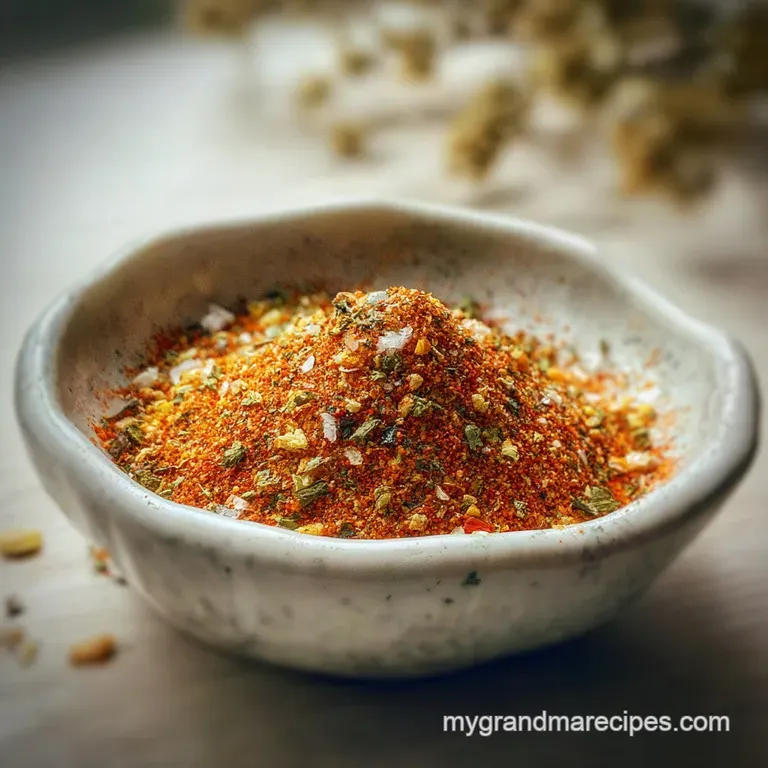
- Time: Active 5 minutes, Passive 0 minutes, Total 5 minutes
- Flavor/Texture Hook: Smoky, earthy, and citrusy aromatics
- Perfect for: Weeknight dinners, bulk meal prep, and low sodium diets
Making the best homemade taco seasoning
Hola friend! You know that specific, slightly metallic smell when you tear open a yellow paper taco packet? I spent years thinking that was just "the flavor" of Tuesday nights. Then one afternoon in my Texas kitchen, I ran out of the store-bought stuff and had to scramble.
I started pulling jars from the back of the pantry, smelling each one, and realized that my cumin actually smelled like toasted nuts and sun warmed earth nothing like the stale dust in those envelopes.
Once you realize that the best homemade taco seasoning isn't just about heat, but about layers of aromatics, your kitchen changes forever. I remember the first time I hit the pan with this specific ratio; the aroma wasn't just "spicy," it was deep and inviting.
It felt like my kitchen had suddenly been transported to a back alley taquería in San Antonio where the air is thick with the scent of rendering fat and toasted chilies.
This recipe is the result of dozen of "failed" batches that were either too salty or too bitter. We aren't just tossing spices in a jar here; we’re creating a balanced foundation.
Whether you’re using this homemade taco seasoning for ground beef, shredded chicken, or even roasted cauliflower, the goal is a velvety coating that clings to every bite without being gritty. Trust me, once you smell this blooming in a hot skillet, you’ll never look at a pre made packet the same way again.
Science of the Spice Bloom
Lipid Solubility: Most flavor compounds in cumin and chili powder are fat soluble, meaning they only release their full aromatic potential when heated in oil. Maillard Reaction: While the spices themselves are dry, toasting them briefly in the pan creates new flavor compounds that add a savory "umami" depth that raw spices lack.
Spice Preparation Comparison
| Method | Flavor Profile | Preparation Time | Best Used For |
|---|---|---|---|
| store-bought Packet | Salty, starchy, muted | 30 seconds | Emergency only |
| Fast Homemade Mix | Bright, sharp, clear | 5 minutes | Weeknight beef tacos |
| Classic Toasted Blend | Deep, smoky, complex | 10 minutes | Slow cooked carnitas |
The difference between a "good" taco and a "memorable" taco often comes down to how the spices interact with the heat. If you just dump the mix onto cooked meat without any moisture or fat, the spices stay "raw" and can feel gritty on the tongue. If you love making your own pantry staples from scratch, you should definitely try this Soul Food Seasoning Recipe which brings a totally different vibe to the table with its focus on savory, comforting herbs.
Component Analysis of the Blend
| Ingredient | Science Role | Pro Secret |
|---|---|---|
| Chili Powder | Base aromatic | Use a blend of Ancho and Guajillo for more complexity |
| Ground Cumin | Earthy foundation | Buy whole seeds and grind them for a massive oil boost |
| Dried Oregano | Herbaceous lift | Rub it between your palms to "shatter" cells and release oil |
| Smoked Paprika | Color and depth | A little goes a long way; it provides a "charred" scent |
Ingredients and Flavor Swaps
To create this world's best homemade taco seasoning, you need fresh spices. If your cumin has been sitting in the back of the cabinet since the last presidential election, it’s time for a refresh. Here is exactly what you need for a batch that yields 4 tablespoons.
- 2 tbsp Chili Powder - Why this? Provides the core color and mild heat foundation.
- Substitute: Ancho chili powder for a sweeter, fruitier profile.
- 1 tsp Cumin (Ground) - Why this? The signature "taco" smell comes entirely from this earthy spice.
- Substitute: Toasted and crushed caraway seeds (note: will be more floral).
- 1 tsp Paprika (Smoked or Sweet) - Why this? Smoked adds a "fire grilled" essence; sweet adds vibrance.
- Substitute: Chipotle powder (Warning: adds significant heat).
- 1 tsp Sea Salt (Fine grain) - Why this? Enhances every other spice; fine grain dissolves faster.
- Substitute: Kosher salt (use 1.5 tsp as it’s less dense).
- 1 tsp Black Pepper (Freshly cracked) - Why this? Provides a sharp, back of-the throat bite.
- Substitute: White pepper for a more fermented, earthy funk.
- 0.5 tsp Garlic Powder (Granulated) - Why this? Distributes savory flavor more evenly than fresh cloves.
- Substitute: Onion powder (double the amount if skipping garlic).
- 0.5 tsp Onion Powder - Why this? Adds a subtle sweetness and body to the "sauce" created.
- Substitute: Shallot powder for a more gourmet, sharp note.
- 0.5 tsp Dried Oregano (Mexican preferred) - Why this? Mexican oregano has citrus undertones that cut through fat.
- Substitute: Marjoram (similar citrus notes, less pungent).
- 0.25 tsp Cayenne Pepper - Why this? Pure heat delivery system.
- Substitute: Extra red pepper flakes or a dash of hot sauce later.
- 0.25 tsp Red Pepper Flakes - Why this? Provides visual texture and intermittent bursts of heat.
- Substitute: Aleppo pepper for a milder, oilier heat.
Chef's Tip: Freeze your chili powder for 15 minutes before mixing if you live in a humid climate; it prevents the natural oils from clumping while you whisk the ingredients together.
Mixing Your Spice Blend
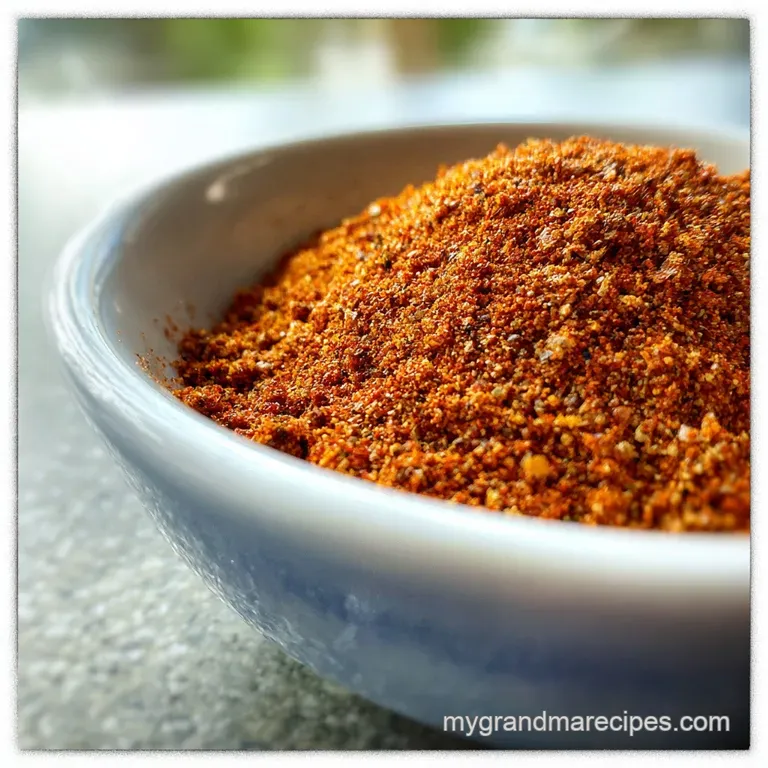
- Sift the base. Place the 2 tbsp chili powder and 1 tsp cumin in a small glass bowl. Note: Using glass prevents the pungent oils from staining plastic containers.
- Add the aromatics. Whisk in the 0.5 tsp garlic powder and 0.5 tsp onion powder until the mixture looks like fine, uniform sand.
- Release the oregano. Take the 0.5 tsp dried oregano and rub it vigorously between your palms directly over the bowl until it shatters into tiny fragments.
- Integrate the seasoning. Add the 1 tsp sea salt and 1 tsp freshly cracked black pepper. Note: Freshly cracked pepper has a much stronger "aroma hit" than pre ground.
- Adjust the heat. Sprinkle in the 0.25 tsp cayenne and 0.25 tsp red pepper flakes.
- Whisk thoroughly. Use a mini whisk or a fork to combine until no streaks of individual spices remain.
- Smell the dry mix. The aroma should be sharp and spicy. Note: If it smells "dusty," add another pinch of cumin.
- Prepare for storage. Transfer the blend to an airtight jar.
- Label the jar. Mark it with the date; even the best homemade taco seasoning loses its "punch" after six months.
- Bloom for use. When cooking, add the mix to the pan with 2 tablespoons of water or broth until a velvety sauce forms and coats the meat.
This blend works beautifully when you're making a big pot of my and Cozy Chicken recipe on a rainy Tuesday. It provides that consistent, savory base that ties the beans, corn, and chicken together perfectly.
Fixing Common Mixing Errors
Why Your Seasoning Tastes Bitter
If your mix tastes unpleasantly sharp or metallic, you likely over toasted the cumin or used old chili powder. Spices contain volatile oils that turn acrid when exposed to high heat for too long or when they oxidize over years.
| Problem | Root Cause | Solution |
|---|---|---|
| Gritty Texture | Spices didn't hydrate | Add 1/4 cup water or stock and simmer for 3 mins |
| Overwhelming Salt | Fine salt vs Kosher | Add a pinch of brown sugar or more chili powder |
| Muted Flavor | Stale ingredients | "Wake them up" by toasting in a dry pan for 60 seconds |
Common Mistakes Checklist
- ✓ Using "table salt" instead of sea salt (table salt is much "saltier" by volume)
- ✓ Forgetting to rub the oregano (whole leaves don't distribute flavor well)
- ✓ Adding spices to cold meat (spices need heat and fat to activate)
- ✓ Storing the jar near the stove (heat and steam kill spice potency quickly)
- ✓ Not whisking enough (you’ll end up with a "cayenne bomb" in one taco)
Adjusting the Recipe Size
When you're scaling this easy homemade taco seasoning, it's not always a straight multiplication. Spices are potent, and some can become overwhelming if you simply double everything without tasting.
- To make a half batch: Use a scant tablespoon of chili powder and a "large pinch" of the smaller ingredients. It's best to beat one egg's worth of volume in your mind it’s about two small tacos worth.
- To double the recipe: Use 4 tbsp chili powder, but only use 1.5 tsp of salt and cayenne initially. You can always add more, but you can't take it out once it's mixed.
- Bulk Prep: If you’re making enough for the whole year, keep the salt separate. Salt can draw moisture from the air, causing your beautiful spice blend to clump into a brick.
Quick Decision Shortcuts
- If you want a "Saucy" taco: Add 1 tsp of cornstarch to the dry mix; it will thicken the juices into a glaze.
- If you want a "Dry Rub" style: Skip the water in the pan and toss the spices with the meat 10 minutes before cooking.
- If you want "Restaurant Style": Add a 1/2 tsp of cocoa powder; it adds a dark, rich color and a hidden "mole" depth.
Spice History Myths
One common misconception is that "Taco Seasoning" is a traditional Mexican invention. In reality, the specific blend we associate with tacos in the U.S. is a Texas Mexican (Tex Mex) fusion. Real Mexican cooking often relies on whole toasted chilies rehydrated into a paste, rather than a dry powder.
Another myth is that adding flour or starch is "cheating." In truth, those binders help the spices emulsify with the fat from the ground beef, creating that velvety mouthfeel we love. Without a binder or enough reduction time, the spices just sit on top of the meat rather than becoming part of it.
Freshness and Waste Reduction
Storage: Keep your homemade taco seasoning from scratch in a cool, dark place not on the counter next to your oven. Light and heat are the enemies of flavor. In a sealed glass jar, this mix will stay potent for up to 6 months.
Zero Waste: If you have a jar that's starting to lose its scent, don't toss it! You can "reactivate" the oils by tossing the spices in a dry skillet over medium heat for about 30 seconds until you smell that first puff of aroma.
Also, those tiny bits of "spice dust" at the bottom of the jar are perfect for seasoning roasted pumpkin seeds or stirring into a batch of popcorn for a savory snack.
This seasoning is so versatile that I often find myself using it far beyond taco night. It's essentially a blueprint for savory depth. If you're looking for another way to use up those pantry staples, my Homemade Mac and recipe is a fantastic project that uses similar principles of balancing fat and flavor.
Recipe FAQs
What makes the best taco seasoning?
Fresh, complementary spices balanced with citrus and earth notes. The best blend relies on freshly ground cumin and high-quality chili powder, avoiding excessive salt found in commercial packets to let the aromatics shine.
What's the secret ingredient in the best taco seasoning?
Smoked paprika is the flavor amplifier, not a secret ingredient. It provides the illusion of long, slow cooking or charring, giving the meat a deep, rustic backbone when bloomed in oil.
What seasoning do Mexicans use for tacos?
Typically, they use spice pastes made from whole, rehydrated chilies, not dry mixes. While this homemade blend is Tex-Mex inspired, if you master the technique of blooming spices in fat, you'll find that flavor balancing principle applies wonderfully to my Homemade Biscuits Recipe for incredible texture.
How do you make your own taco seasoning?
Combine 2 parts chili powder, 1 part cumin, and then add smaller amounts of paprika, salt, garlic powder, onion powder, oregano, and cayenne. Whisk these dry ingredients thoroughly until the color is uniform before blooming in hot oil when cooking.
Is it true you must "bloom" the seasoning in oil first?
Yes, blooming the spices is crucial for flavor extraction. Most desirable flavor compounds are fat-soluble, meaning they won't fully release their aroma and taste if just sprinkled onto cooked meat.
How do I adjust this seasoning for slow cooked meats?
Add the full spice blend directly with the liquid (broth or water) before cooking. The extended cooking time allows the flavors to fully integrate, similar to how flavors meld when preparing a rich casserole like our Stuffed Shells Recipe.
Can I use this seasoning for more than just ground beef?
Absolutely; this blend works on any protein or vegetable base. When using it on chicken or pork shoulder destined for shredding, you can reduce the initial salt content slightly as these meats absorb salt more readily than ground beef.
Best Homemade Taco Seasoning
Ingredients:
Instructions:
Nutrition Facts:
| Calories | 19 kcal |
|---|---|
| Protein | 0.9 g |
| Fat | 0.8 g |
| Carbs | 3.4 g |
| Fiber | 1.7 g |
| Sugar | 0.4 g |
| Sodium | 488 mg |
