Authentic Pinole Atole Drink Recipe

- Time: Active 5 minutes, Passive 15 minutes, Total 20 minutes
- Flavor/Texture Hook: Toasted, earthy, and velvety with a lingering molasses finish
- Perfect for: Chilly mornings, Texas Mexican holiday gatherings, or a caffeine free evening treat
- Mastering the Velvety Texture of Homemade Pinole Atole
- The Science of the Corn Suspension
- Component Analysis for the Perfect Sip
- Selecting Your Elements for Authentic Results
- Essential Tools for a Silky Finish
- Step by Step Guide to Crafting the Perfect Sip
- Fixing Common Mistakes for Lumpy Results
- Scaling the Recipe for Any Crowd
- Customizing Your Warm Toasted Corn Drink
- Debunking Kitchen Folklore
- Proper Storage Methods and Zero Waste Kitchen Tips
- Presenting and Enjoying Your Hot Cup
- Recipe FAQs
- 📝 Recipe Card
Mastering the Velvety Texture of Homemade Pinole Atole
¡Hola, friend! Close your eyes for a second and imagine the smell of a dry skillet heating up with cornmeal. That specific, popcorn adjacent aroma that fills a kitchen on a damp morning is exactly what we are chasing today.
I remember the first time I tried to make this without a recipe, I just threw the powder into boiling milk and ended up with a pot full of what looked like damp sand. It was a disaster, but it taught me that this drink requires a bit of that Texas Mexican patience my Abuela always talked about.
The magic of Pinole Atole is all in the contrast. You have this rustic, gritty powder that, when treated with enough heat and whisking, transforms into something incredibly velvety. It is a fusion of ancient indigenous grains and the rich, creamy dairy traditions that followed.
When the piloncillo finally yields and dissolves into the milk, the kitchen smells like a dream of toasted sugar and woodsmoke. It is the kind of drink that makes you want to wrap both hands around the mug and just breathe for a few minutes.
We are not just making a hot drink here, we are building a layer of comfort that stays with you. This recipe is straightforward, but the technique is where the flavor lives. Trust me, once you see that piloncillo cone shatter into the simmering liquid and watch the mixture thicken into a glossy, pourable silk, you will never look at instant cocoa the same way again.
It is about taking humble ingredients and giving them the time they need to become something truly special.
The Science of the Corn Suspension
Starch Hydration Control: Cold water prevents the pinole starches from gelatinizing instantly upon contact, ensuring each grain is surrounded by moisture before the heat hits. This prevents "dry core" lumps that stay crunchy even after boiling.
Thermal Diffusion: The dense piloncillo cone requires a slow simmer to break down its complex sucrose structure without scorching the milk proteins. Constant whisking maintains a vortex that distributes heat evenly, preventing the corn solids from settling and burning on the bottom of the pot.
| Preparation Method | Total Time | Resulting Texture | Best Use Case |
|---|---|---|---|
| Traditional Stovetop | 20 minutes | Thick, glossy, and fully hydrated | Authentic weekend brunch |
| Microwave Shortcut | 8 minutes | Thinner, prone to sediment | Quick single serving fix |
| Slow Cooker | 2 hours | Ultra deep flavor, very dark | Large holiday gatherings |
Every time I make this, I realize that the stove temperature is actually more important than the whisking speed. If you go too hot too fast, the milk sugars caramelize in a way that tastes "burnt" rather than "toasted." It is a delicate balance, much like the process used in a Vanilla Atole Recipe, where temperature control is the difference between a smooth drink and a curdled mess.
Component Analysis for the Perfect Sip
| Ingredient | Science Role | Pro Secret |
|---|---|---|
| Pinole Powder | Primary thickener and flavor base | Use finely ground heirloom blue corn pinole for a nuttier, more complex profile. |
| Whole Milk | Emulsification fat source | Use milk with at least 3.25% fat to carry the fat soluble cinnamon oils. |
| Piloncillo | Moisture retaining sweetener | Grate the cone first to speed up dissolution and prevent hot spots in the pan. |
1. The Grain Base
The pinole is the heart of this. Unlike masa harina, pinole is already toasted, which means it has undergone the Maillard reaction before it even touches your pot. This gives us that "cooked" flavor from the start.
2. The Infusion and Sweetener
Piloncillo is essentially unrefined cane sugar. It hasn't had the molasses stripped out, so it brings notes of smoke, rum, and earth. When combined with a real cinnamon stick, it creates a flavor profile that white sugar simply cannot touch.
Selecting Your Elements for Authentic Results
- 1 cup Pinole powder: Why this? It provides the signature toasted corn flavor and thickens the drink naturally. (Substitute: Toasted cornmeal mixed with a pinch of brown sugar and cinnamon)
- 2 cups Cold water: Why this? Used to create a slurry that prevents lumps from forming in the hot milk. (Substitute: Room temperature water works if you whisk vigorously)
- 3 cups Whole milk: Why this? Provides the creamy mouthfeel that balances the textured corn powder. (Substitute: Oat milk for a nutty, dairy-free alternative)
- 1 Cinnamon stick: Why this? Infuses the liquid with a warm, woody spice that cuts through the richness. (Substitute: 1/2 teaspoon ground cinnamon, though it may make the drink darker)
- 4 oz Piloncillo cone: Why this? The raw sugar adds a deep molasses flavor that mimics Texas Mexican tradition. (Substitute: 1/2 cup dark brown sugar mixed with 1 teaspoon molasses)
- 1 pinch Sea salt: Why this? A tiny amount of salt sharpens the sweetness and makes the toasted corn pop. (Substitute: Table salt, use slightly less)
Chef's Tip: If you can find the "Mexican cinnamon" (Ceylon), use that. It's softer and more floral than the hard cassia sticks found in most grocery stores, and it won't overpower the delicate corn notes.
Essential Tools for a Silky Finish
You don't need a high tech kitchen to master this, but a few specific items make the process much smoother. A heavy bottomed saucepan is non negotiable. Thin pots have "hot spots" that will cause the corn solids to stick and burn before the piloncillo even melts.
I highly recommend a balloon whisk rather than a spoon; you need to keep those corn particles suspended in the liquid so they hydrate evenly.
If you are feeling truly authentic, a wooden molinillo is the way to go. The spinning motion creates a beautiful froth on top of the atole that holds the aroma of the cinnamon right under your nose as you sip. Otherwise, a standard kitchen whisk works just fine.
You will also want a sharp knife or a box grater for the piloncillo. Those cones are surprisingly hard, and trying to dissolve a whole one can take forever.
step-by-step Guide to Crafting the Perfect Sip
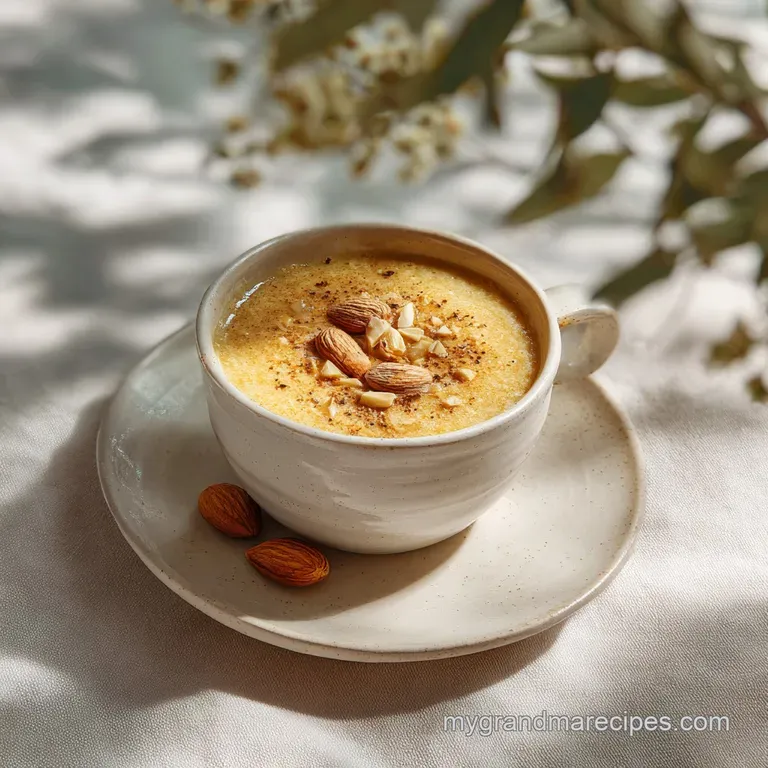
- Whisk the pinole. Place 1 cup Pinole powder into a medium bowl and slowly pour in 2 cups Cold water. Note: Adding water to powder prevents those stubborn dry pockets.
- Smooth the slurry. Continue whisking until the mixture is completely homogenous and no lumps remain.
- Heat the base. In a heavy saucepan, combine 3 cups Whole milk, 1 Cinnamon stick, and 4 oz Piloncillo cone.
- Dissolve the sweetener. Set the heat to medium and stir frequently until the piloncillo is fully melted and the milk is steaming.
- Temper the corn. Slowly pour the pinole slurry into the hot milk mixture while whisking constantly.
- Simmer and thicken. Reduce the heat to medium low and cook for about 10 minutes until the liquid coats the back of a spoon.
- Season the pot. Add 1 pinch Sea salt and stir well to wake up the flavors.
- Strain the aromatics. Remove the cinnamon stick before serving to prevent it from becoming too bitter.
- Check the consistency. If it feels too thick, splash in a little extra milk until it reaches a pourable, velvety texture.
- Serve immediately. Pour into mugs and enjoy the rising steam and toasted aroma.
Fixing Common Mistakes for Lumpy Results
1. The "Scorched Bottom" Syndrome
If you notice black specks floating in your drink, the heat was likely too high or you stopped whisking. The corn solids are heavier than the milk and will sink to the bottom of the pot. Once they sit there for more than thirty seconds, they begin to burn. If this happens, do not scrape the bottom of the pot.
Carefully pour the "clean" liquid into a new pot and continue at a lower temperature.
2. Grainy or Sandy Texture
Pinole has a natural texture, but it shouldn't feel like drinking dirt. This usually happens if the powder didn't have enough time to hydrate in the cold water or if the simmering period was too short. The starches need heat and time to swell and soften.
| Problem | Root Cause | Solution |
|---|---|---|
| Lumps in the drink | Pinole added directly to hot liquid | Always mix with cold water to form a slurry first. |
| Thin/Watery texture | Not simmered long enough | Continue cooking on low for 5 more minutes to allow starch expansion. |
| Overpowering cinnamon | Stick left in too long | Remove the stick as soon as the flavor is prominent. |
Common Mistakes Checklist
- ✓ Whisk the pinole and cold water before the stove is even turned on to ensure a smooth start.
- ✓ Use a heavy bottomed pot to distribute heat evenly and prevent the milk from catching.
- ✓ Grate or chop the piloncillo cone into small pieces so it melts at the same rate the milk heats.
- ✓ Keep the whisk moving in a figure eight pattern to reach the edges of the pot.
- ✓ Adjust the final thickness with a splash of warm milk if it sits and thickens too much.
Scaling the Recipe for Any Crowd
When you are making this for a big family breakfast, you can easily double the recipe. Just keep in mind that larger volumes of milk take much longer to reach a simmer. Do not be tempted to crank the heat to high; you will just burn the bottom before the center is warm.
For a double batch, keep the cinnamon stick count at two, but you might find you only need a 1.5x increase in the salt to keep the balance right.
If you are scaling down for a solo treat, half batching is simple. Use a smaller pot so the liquid isn't too shallow, which can lead to faster evaporation and an overly thick atole.
If you're using half an egg for other recipes, you don't need to worry here, but do make sure you scale the piloncillo accurately by weight if possible, as the cones vary in size.
Customizing Your Warm Toasted Corn Drink
1. Atole de Pinole y Cacao
For a chocolate version, whisk in two tablespoons of unsweetened cocoa powder or a disc of Mexican drinking chocolate along with the piloncillo. The bitterness of the cacao plays beautifully against the toasted corn. It creates a hybrid between atole and champurrado that is incredibly rich.
2. Plant Based Nutty Swap
If you want to skip the dairy, full fat oat milk is the best substitute. It has a natural sweetness and a viscosity that mimics whole milk. Almond milk works too, but it's much thinner, so you might need to increase the pinole by a tablespoon to get that signature velvety body.
| Feature | Whole Milk Version | Oat Milk Swap |
|---|---|---|
| Texture | Rich, creamy, heavy | Smooth, slightly lighter |
| Flavor Profile | Classic dairy sweetness | Extra toasted, cereal notes |
| Thickening | Standard | May thicken faster due to oat starch |
Debunking Kitchen Folklore
One thing people often say is that you must boil atole vigorously to get it to thicken. This is actually a myth that leads to grainy textures. Boiling milk too hard can cause the proteins to clump and the corn starches to "burst," resulting in a thin, watery mess rather than a thick cream.
Gentle heat is your best friend here.
Another common misconception is that pinole is just "flavored cornmeal." While they look similar, the toasting process changes the chemical structure of the grain. You cannot simply swap raw cornmeal into this recipe and expect the same results; the flavor will be "raw" and the starch won't behave the same way in the suspension.
Proper Storage Methods and Zero Waste Kitchen Tips
Storage: This drink keeps surprisingly well in the fridge for up to 3 days. However, it will turn into a thick gel as it cools. To reheat, place it back in a saucepan over low heat and whisk in a few tablespoons of milk or water to loosen it back up.
Do not microwave it on high, or it will explode into a messy "atole volcano."
Zero Waste: If you have leftovers that you don't want to drink, don't toss them! You can use the chilled, thickened atole as a base for a smoothie. It adds a wonderful toasted grain flavor and plenty of body.
Alternatively, if you have extra pinole powder, it makes an incredible crust for pan seared fish or a nutty addition to your morning oatmeal. Even the leftover cinnamon stick can be rinsed, dried, and tossed into a simmer pot with orange peels to make the house smell amazing.
Presenting and Enjoying Your Hot Cup
When it comes to serving, presentation adds to the warmth. I love serving this in heavy clay mugs (jarritos) because they retain the heat much longer than ceramic. A light dusting of extra pinole powder or a sprinkle of ground cinnamon on top makes it look like it came straight from a boutique Texas cafe.
If you want the full experience, pair this with a piece of pan dulce or a salty bit of toast. The contrast between the sweet, earthy drink and a savory snack is what Texas Mexican comfort is all about. It is a slow drink, meant for slow mornings. Take your time, enjoy the patience you put into that whisking, and let the toasted corn flavor take you back to a simpler time. For those who enjoy a variety of flavors, you might even find this technique helps you perfect other versions, like a creamy Vanilla Atole. Enjoy every sip!

Recipe FAQs
What is the difference between atole and pinole?
Pinole is an ingredient, and atole is the resulting drink. Pinole is a pre-toasted, finely ground cornmeal, often mixed with seeds or spices, while atole is the general term for a hot, thickened beverage made from this corn base.
What is pinole made of?
Pinole is primarily made of toasted maize (corn). Traditionally, it is ground into a fine powder and sometimes mixed with additions like cacao, chia seeds, or vanilla for flavor.
What is the pinole drink?
The pinole drink is Pinole Atole, a traditional, warm, and often spiced Mexican beverage. It is made by dissolving pinole powder in water or milk, and sweetening it, usually with piloncillo, to achieve a thick, comforting consistency.
What is atole drink made of?
Atole is made from a starchy base, most commonly masa harina or pinole, thickened with liquid. The liquid is typically milk or water, and it is flavored with spices like cinnamon and sweeteners like piloncillo or sugar.
How do I prevent the pinole from clumping when making the atole?
Create a cold slurry first by whisking the pinole into cold water separately. Pouring the powder directly into hot milk causes the starches to gelatinize immediately on the outside, forming hard, uncooked lumps.
Is it true that you must use a very low heat when simmering the atole?
Yes, using medium low heat is crucial for a silky texture. High heat can scorch the milk proteins and cause the corn solids to settle and burn on the bottom of the pan before the drink fully thickens.
Can I substitute white sugar for the traditional piloncillo cone?
No, you will lose the signature earthy depth of flavor. Piloncillo provides deep molasses and smoky notes from the unrefined cane sugar that plain white sugar cannot replicate.
Authentic Pinole Atole Recipe
Ingredients:
Instructions:
Nutrition Facts:
| Calories | 328 kcal |
|---|---|
| Protein | 7.9 g |
| Fat | 7.1 g |
| Carbs | 59.7 g |
| Fiber | 2.1 g |
| Sugar | 36.5 g |
| Sodium | 129 mg |
