Mexican Black Beans: Smoky and Velvety
- Time: Active 10 minutes, Passive 90 minutes, Total 100 minutes
- Flavor/Texture Hook: Earthy, smoky, and velvety
- Perfect for: Sunday meal prep or taco night
- Create an Authentic Mexican Black Beans Recipe
- Why the Layers Build Flavor
- Vital Specs for Best Results
- Deep Dive into Flavor Elements
- Essential Kitchen Tools
- Bringing it all Together
- Solving Common Bean Disasters
- Creative Flavor Variations
- Proper Storage and Zero Waste
- Best Sides for This Dish
- Myths About Cooking Beans
- Recipe FAQs
- 📝 Recipe Card
Create an Authentic Mexican Black Beans Recipe
Hola, friends! There is a specific sound that defines my Sunday afternoons in San Antonio the rhythmic clack clack of dried beans hitting a metal colander. It is a sound that signals patience and the promise of a meal that anchors the whole week.
I remember one particular rainy October day when the house felt a bit too quiet. I decided to pull a bag of black beans from the pantry, determined to recreate that specific, smoky depth I always found in the little taquerias near my house.
The secret, I realized, wasn't just in the beans themselves, but in how we treat the onion and the garlic before they even see a drop of water.
As the oil shimmers in my heavy Dutch oven, I place the halved onions face down until they sizzle and smoke. That charred aroma bitter, sweet, and intensely savory fills the kitchen and clings to the curtains. It is a smell that says "home." This isn't just a side dish; it’s a foundation.
When you get that velvety texture right, where the beans hold their shape but yield like soft butter the moment they hit your tongue, you’ve hit the Texas Mexican jackpot.
We often think of beans as a backdrop, but in this kitchen, they are the star. Whether we are stuffing them into charred tortillas or serving them alongside a steaming pile of rice, the goal is a broth so rich it feels like a sauce.
We are building layers here, starting with the char, moving to the gentle simmer, and finishing with a bright hit of lime that wakes everything up. It is about taking humble pantry staples and giving them the respect they deserve through time and a few smart tricks I’ve picked up over the years.
Why the Layers Build Flavor
Building a better bean requires more than just boiling water; it requires understanding how heat and minerals interact with the legume's structure.
- Alkalinity Control: Adding a tiny 0.125 tsp of baking soda to the soak water slightly increases the pH, which helps break down the pectin in the bean skins for a much softer bite.
- Fat Soluble Extraction: Searing the garlic and jalapeño in oil before adding liquid allows their flavor compounds to dissolve into the fat, coating every bean in a way water based infusion cannot.
- Charred Caramelization: Charring the onion halves creates "fond" (browned bits) on the bottom of the pot, providing a smoky base that mimics the flavor of a wood fired clay pot.
- Osmotic Balance: By adding salt only at the very end of the 90 minutes, we ensure the bean skins stay permeable and tender throughout the cooking process.
| Cooking Method | Total Time | Texture | Best For |
|---|---|---|---|
| Stovetop (Classic) | 100 minutes | Velvety broth | Meal prep & tacos |
| Canned (Fast) | 15 minutes | Softer, less depth | Last minute sides |
| Slow Cooker | 8 hours | Very tender | Hands off cooking |
Cooking beans from scratch is a lesson in patience, but the difference in texture is undeniable. While canned beans are a lifesaver on a Tuesday, the stovetop method produces a pot liquor (the bean broth) that is liquid gold.
Vital Specs for Best Results
When you are working with dried legumes, precision in the initial stages saves you from a "crunchy bean" disaster later on. We are looking for that specific point where the bean is tender but the skin hasn't completely shattered.
| Component | Science Role | Pro Secret |
|---|---|---|
| Dried Black Beans | Primary Starch | Use beans from a high turnover store to ensure they aren't years old and impossible to soften. |
| Vegetable Stock | Flavor Matrix | Low sodium stock allows you to control the final seasoning without the beans becoming too salty. |
| Baking Soda | Pectin Breakdown | Just a pinch weakens the cellular walls of the bean skins for a quicker, more even cook. |
Using the right liquid is just as important as the beans themselves. If you use a stock that is too high in sodium, you might find that the beans struggle to soften, as salt can sometimes toughen the skins if introduced too early in the process.
Deep Dive into Flavor Elements
Choosing your ingredients is the first step toward that Texas Mexican fusion we love.
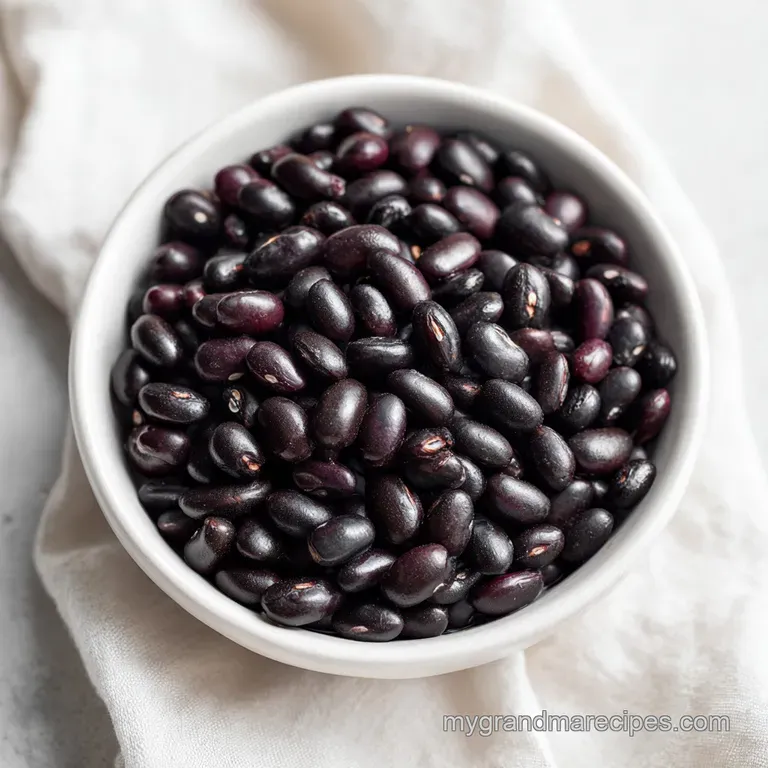
- 1 lb dried black beans: Look for shiny, dark skins. If they look dusty or grey, they might be old.
- 6 cups low sodium vegetable stock: This provides a richer base than plain water. Why this? It adds umami layers without overwhelming the natural earthy flavor of the black beans.
- 1 large white onion, halved: Don't peel it too much; we want the surface area for charring. Why this? White onions have a sharp bite that mellows beautifully when charred and simmered.
- 6 large garlic cloves, smashed: Smashing releases the oils more effectively than slicing.
- 1 large jalapeño, slit lengthwise: This allows the heat to seep out gently without losing the pepper in the pot.
- 1 tsp dried Mexican oregano: This is different from Mediterranean oregano it’s citrusy and floral.
- 1 sprig fresh cilantro or epazote: Epazote is the classic choice for digestion and flavor, but cilantro is a wonderful Texas style substitute.
- 1 tbsp fresh lime juice: Added at the end, this acidity cuts through the heavy starch.
If you find yourself missing Mexican oregano, you can substitute with a mix of regular oregano and a pinch of dried marjoram to mimic that floral note. For the fat, a neutral oil like grapeseed works perfectly, but if you want a more old school flavor, a teaspoon of bacon drippings or lard is a common Texas Mexican swap that adds a savory punch.
Essential Kitchen Tools
You don't need a pantry full of gadgets, but a heavy bottomed pot is non negotiable. A cast iron Dutch oven, like one from Lodge, is my go to because it holds heat so steadily. This prevents temperature fluctuations that can lead to unevenly cooked beans.
You’ll also want a fine mesh strainer for that initial rinse nothing is worse than a stray pebble ruining a perfect bite.
A wooden spoon is your best friend here. It’s gentle enough to stir the beans without smashing them against the sides of the pot. Since we are cooking these for 90 minutes, you want a lid that fits snugly to prevent too much evaporation.
If you lose too much liquid, the beans on top will dry out while the ones on the bottom turn to mush.
Bringing it all Together
- Rinse the 1 lb dried black beans thoroughly in a fine mesh strainer, discarding any debris or small stones.
- Place beans in a large pot and cover with 2 inches of filtered water and 0.125 tsp baking soda.
- Bring to a rolling boil for 2 minutes until the water turns dark and bubbly.
- Remove the pot from heat and let the beans soak for 1 hour. Note: This breaks down complex sugars that cause bloating.
- Drain and rinse the soaked beans well.
- In a heavy Dutch oven, heat 1 tbsp neutral oil over medium high heat.
- Place the halved onion halves cut side down and cook until deeply charred and dark brown.
- Add the 6 smashed garlic cloves and the slit jalapeño to the pot, stirring for 1 minute until the aroma hits your nose.
- Add the drained beans, 6 cups vegetable stock, 1 tsp Mexican oregano, and 0.5 tsp cumin.
- Bring to a boil, then reduce heat to low and add the cilantro or epazote sprig.
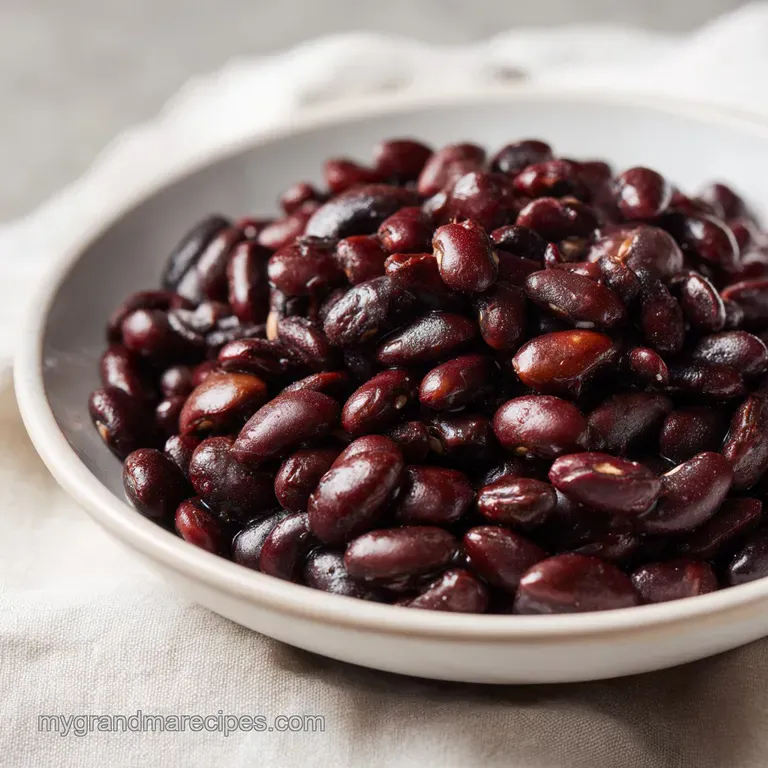
- Cover and simmer for 60 to 90 minutes until the beans are buttery and tender.
- Stir in 2 tsp kosher salt and 1 tbsp lime juice before serving.
Solving Common Bean Disasters
Why Your Beans Stay Hard
Sometimes, no matter how long you simmer, those beans just won't soften. This usually happens because of "hard water" or using beans that have been sitting on the grocery shelf since the last decade. The minerals in hard water can strengthen the bean's cell walls, making them nearly impenetrable.
| Problem | Root Cause | Solution |
|---|---|---|
| Crunchy centers | Old beans or hard water | Add another pinch of baking soda and extend simmer time. |
| Exploding beans | Boiling too vigorously | Keep the heat at a low, gentle ripple, not a hard boil. |
| Bland broth | Under seasoning | Check the salt and lime levels; acidity often mimics saltiness. |
If you run into the "hard water" issue, using filtered water or distilled water for the soak can make a massive difference in your results. Also, ensure you are not adding the salt until the beans are already soft; salt can sometimes "fix" the starch, preventing it from fully hydrating.
Common Mistakes Checklist
- ✓ Never skip the initial rinse; beans are a field crop and often carry dust or small pebbles.
- ✓ Ensure the onion is actually charred, not just softened, to get that smoky depth.
- ✓ Don't boil the beans the whole time; a gentle simmer prevents the skins from "shattering."
- ✓ Wait until the very end to add the lime juice; acidity can slow the softening process.
- ✓ Check the liquid level every 30 minutes to ensure the beans stay submerged.
Creative Flavor Variations
If you are looking for a different vibe, there are plenty of ways to pivot this recipe. For a smoky, spicy kick, I love adding a tablespoon of the sauce from a can of chipotles in adobo during the final 30 minutes of simmering. This pairs beautifully with my Authentic Red Chile Sauce if you're making enchiladas.
For a "Frijoles Charros" style, you can sauté some chopped bacon and chorizo before adding the beans. This turns a simple side into a hearty main dish. If you are short on time, you can use the Mexican Black Beans Recipe Instant Pot Shortcut by skipping the soak and pressure cooking the beans with the charred aromatics for 35 minutes on high pressure with a natural release.
| If you want... | Do this... |
|---|---|
| Extra Creaminess | Mash 1/2 cup of the cooked beans and stir back into the pot. |
| More Heat | Leave the jalapeño seeds in or add a dried de arbol chili. |
| Smoky Depth | Add a smoked ham hock or a teaspoon of liquid smoke. |
Proper Storage and Zero Waste
These beans are even better the next day. As they sit in the fridge, the starches stabilize and the flavors of the charred onion and oregano really permeate the beans. You can keep them in an airtight container in the fridge for up to 5 days.
If they thicken too much, just add a splash of water or stock when reheating on the stovetop over medium low heat.
For long term storage, these freeze beautifully. I recommend freezing them in 2 cup portions with plenty of their cooking liquid. This liquid is "aquafaba" and is incredibly flavorful don't you dare pour it down the drain! You can use the leftover bean broth to flavor soups, or even as a poaching liquid for chicken. Speaking of chicken, these beans are the ultimate side for my Mexican Chicken and Rice Skillet for a complete family meal.
Best Sides for This Dish
When it comes to serving, I’m a purist. A bowl of these beans with a crumble of salty cotija cheese and some pickled red onions is a meal in itself. However, if you're building a spread, they are the perfect partner for grilled meats or fluffy cilantro lime rice.
In San Antonio, we often serve these "soupy" style in a bowl first, then use the leftovers the next morning to make refried beans for breakfast tacos.
Don't forget the texture contrast. Since the beans are velvety and soft, something crunchy like radish slices or toasted pepitas (pumpkin seeds) adds a much needed snap to the plate. A few slices of fresh avocado can also add a cool, creamy element that balances the warmth of the cumin and charred jalapeño.
Myths About Cooking Beans
One of the biggest misconceptions is that soaking beans is strictly for digestion. While it does help, the main reason we soak specifically the "power soak" is to ensure even hydration. Without it, the outer layers of the bean might overcook and turn to mush before the center is tender.
Another myth is that you can't use salt at the beginning. While I recommend salting at the end for beginners to ensure tenderness, some chefs argue that salting early flavors the bean all the way through.
However, for this specific recipe, the charred onion and stock provide so much flavor that waiting to salt ensures the most consistent texture every time. Finally,, "epazote is only for gas" it's actually a unique herb with a terpene rich flavor that provides a medicinal, minty finish that is foundational to central Mexican cooking.
Substituting it with cilantro changes the profile but keeps that necessary freshness.
Recipe FAQs
What spices are used in Mexican black beans?
Use 1 teaspoon of dried Mexican oregano and 0.5 teaspoon of ground cumin. These spices provide the essential earthy base that defines the classic flavor profile.
How to make canned black beans like Mexican restaurant?
Char the onion halves in oil before adding the beans and stock. This technique creates a deep, smoky base, similar to how we build complex depth in our Quick and Cozy Chicken Taco Soup by blooming aromatics to extract maximum flavor.
Can black beans lower cholesterol?
Yes, black beans are a high fiber food known to support heart health. Incorporating plant based proteins like these into your regular diet can be a great way to manage cholesterol levels naturally.
How to cook beans for diabetics?
Prepare the beans using low-sodium vegetable stock and avoid adding any processed sugars. The high fiber content in black beans helps manage blood glucose levels by slowing down the absorption of carbohydrates.
Is it true I must soak these beans overnight?
No, this is a common misconception. You can use the "power soak" method, which involves boiling the beans for 2 minutes with baking soda and soaking for just 1 hour to achieve that perfect buttery texture.
How to ensure the beans have a velvety texture?
Add a pinch of baking soda during the initial 2-minute boil. This alkaline environment helps break down the pectin in the bean skins, resulting in a significantly creamier interior once cooked.
How to finish the beans for the best flavor?
Stir in fresh lime juice and kosher salt only after the beans are tender. Adding acidity at the end brightens the deep, earthy flavors and cuts through the richness of the broth.
Authentic Mexican Black Beans
Ingredients:
Instructions:
Nutrition Facts:
| Calories | 232 calories |
|---|---|
| Protein | 12.5 g |
| Fat | 2.6 g |
| Carbs | 38 g |
| Fiber | 9.2 g |
| Sugar | 1.8 g |
| Sodium | 725 mg |
